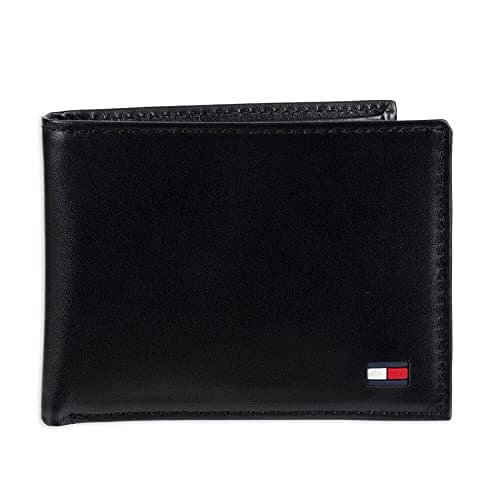
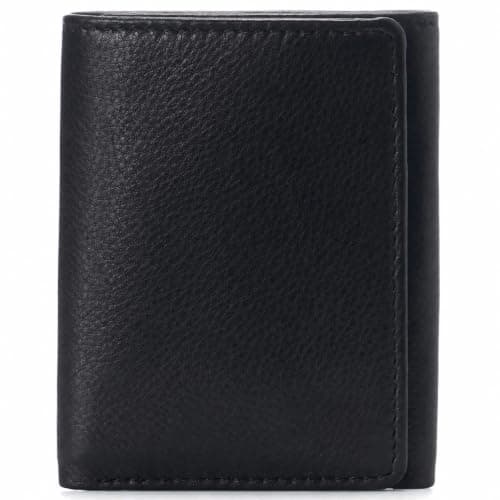
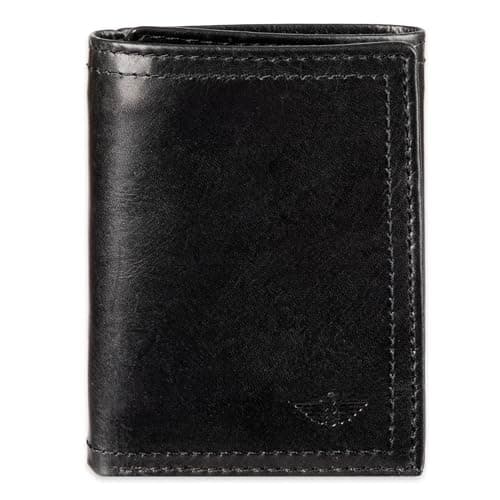
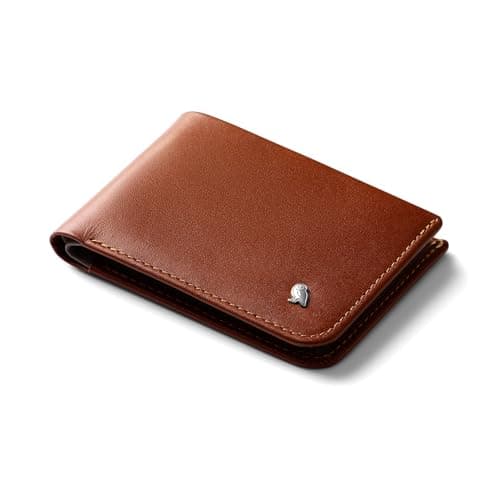
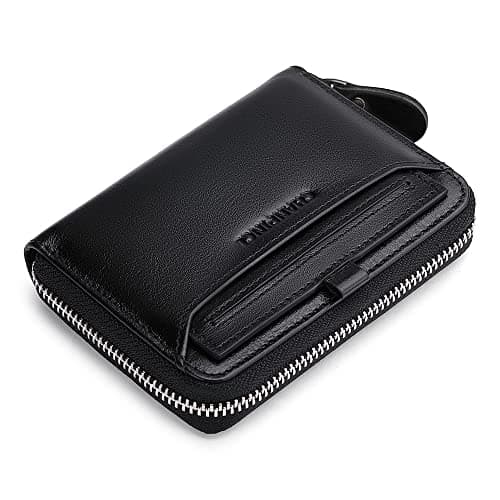
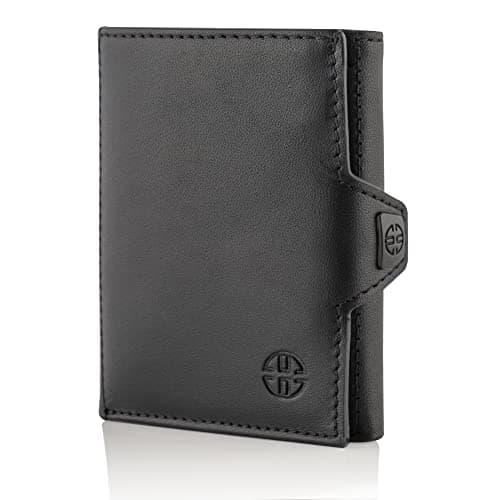
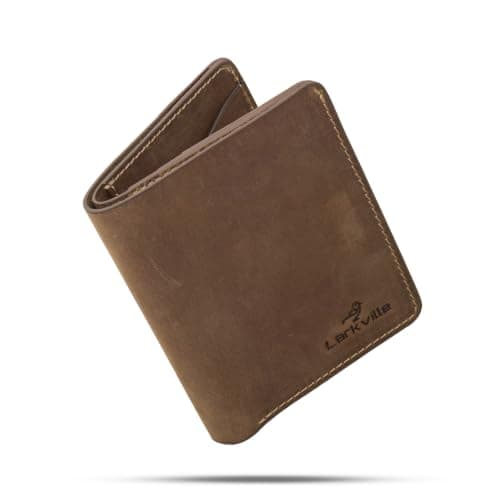
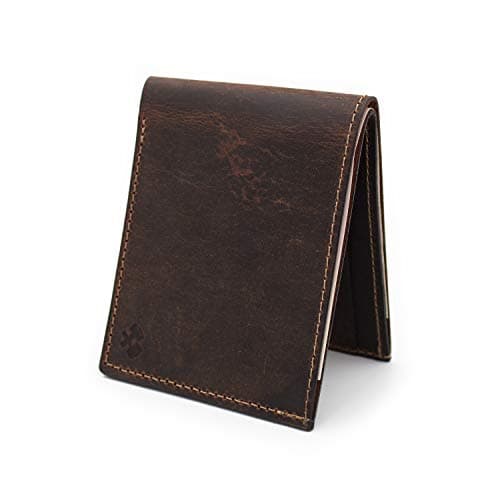
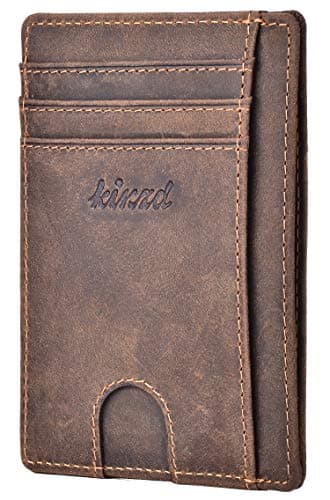
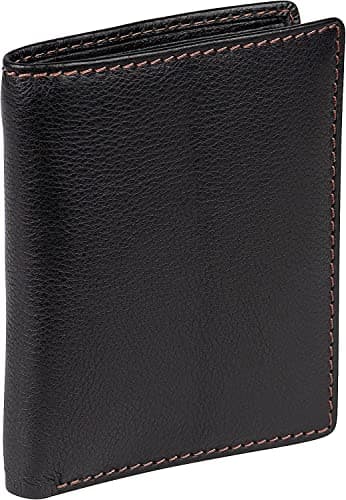
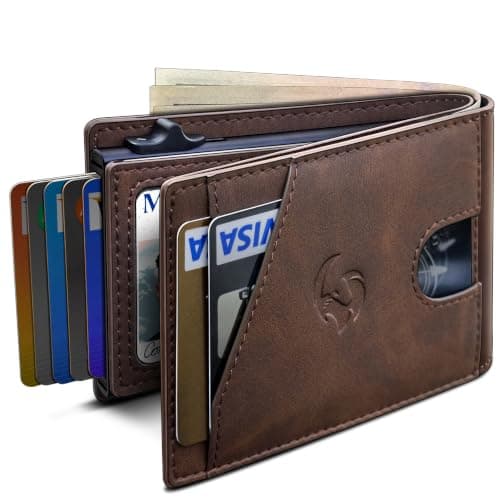
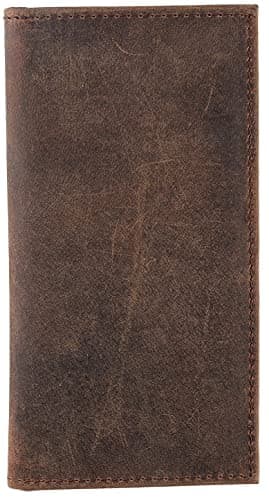
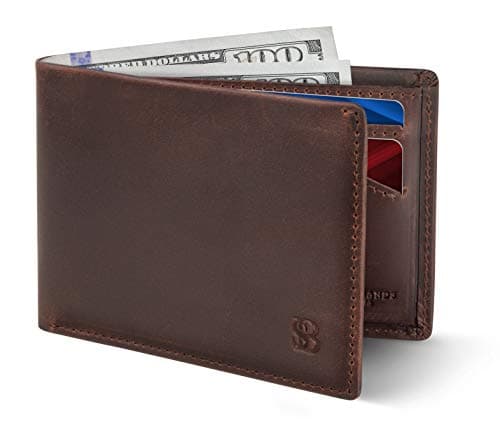
Start with the choice between bifold and trifold, because it decides how the wallet wears. A bifold folds once and lays your cards in a horizontal row; it is the slimmer, more common format. A trifold folds twice into a shorter, chunkier shape and stacks cards vertically, holding more of them at the cost of thickness. If you are not sure, our bifold vs trifold comparison walks through it — but as a rule, choose a bifold unless you genuinely need the extra capacity.
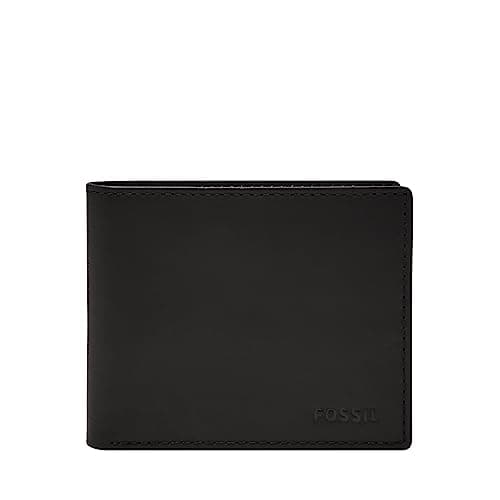
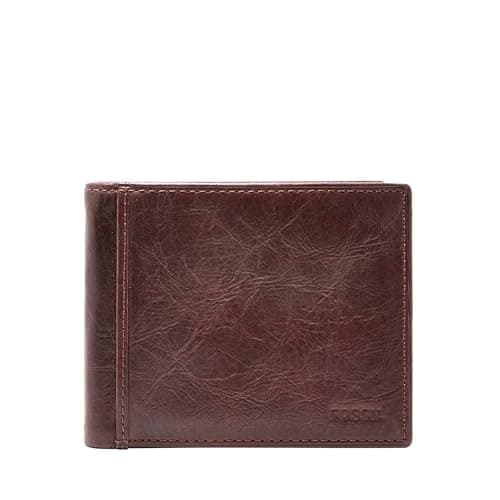
Within bifolds, the modern additions worth having are an RFID-blocking layer and a flip-out ID window, both of which the Fossil Derrick and Ingram include. Nearly every wallet in this roundup blocks RFID; if that matters to you, confirm it on the exact variant, because a couple of the fashion-brand bifolds do not advertise it. The flip ID is genuinely useful if you show a badge or license often, and adds no real bulk. A coin pocket is the one addition that does cost you bulk, and it is worth choosing deliberately — a gusseted pouch, a snap pocket and a zipped compartment hold very different amounts of change.
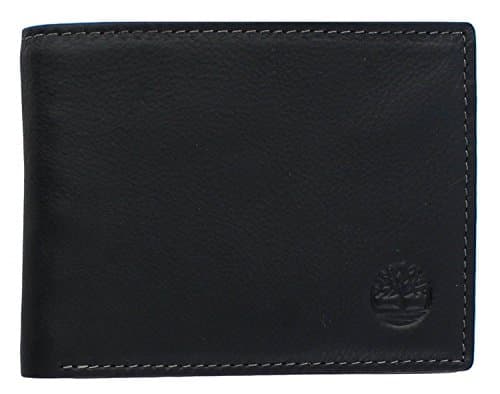
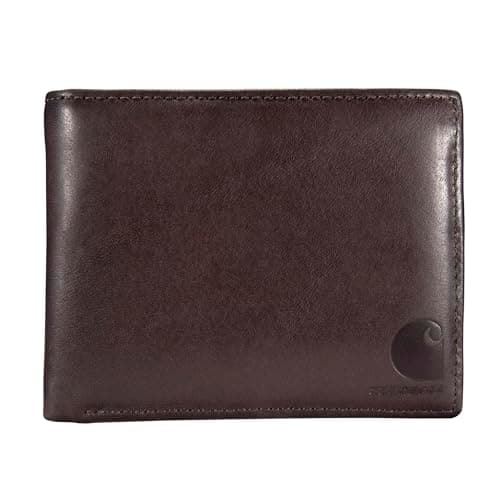
Leather grade and finish are where these separate. Fossil and Timberland use dependable genuine leather with clean finishing and warranties; Carhartt's oil-tanned leather is built to scuff and darken on a job site and looks better the harder your week is; the fashion labels charge partly for the name. If you want a bifold that will genuinely outlast the rest and develop a patina, the honest answer is to look at a full-grain maker — we cover those in the best leather wallet brands guide — but for most buyers a well-made genuine-leather bifold at this price is the sensible call.
Size is the one thing you do not have to agonize over, because it is barely a variable. A bifold is about 4.5 by 3.5 inches closed almost regardless of who made it — the payment card sets the width and the banknote sets the height, and both are fixed dimensions. Our standard bifold wallet size guide shows the arithmetic and the makers who publish their numbers. What actually differs between the wallets below is thickness, and that has two causes rather than one: the cards you put in at 0.76 mm apiece, and the layers the maker stacked inside before you touched it. Our bifold wallet thicknessguide lines up every published closed thickness we have against its slot count, and the association is close enough to be a shopping rule — roughly 0.035 to 0.040 inches of extra bulk per slot, which is about what a card itself occupies. A high slot count is an argument against a wallet, not for it.
The one real exception to that footprint is the wallet turned on its end. A vertical bifold still folds once, but it is taller than it is wide — around 3.5 by 4.3 inches on the listings that publish a figure — so the cards stand upright and the wallet rides narrower in a front pocket. It is a genuine alternative rather than a styling choice, and the trade is cash: a compartment three and a half inches across takes notes folded, not laid flat the way the bill section in every billfold below does.
Two spokes sit at the ends of that capacity argument. For readers who genuinely do carry a lot, best wallets with 10+ card slots takes every listing in our record that publishes ten or more slots and keeps a full bill compartment — and prints the three ways a headline slot count misleads you, including one listing whose own title and bullets disagree by six cards. At the other end, best first wallet for a teen or a kid ranks the same format on an axis nothing else here uses: replacement cost, because a first wallet is a wallet that is going to be left somewhere.
Two newer spokes cover formats the bifold shelf does not. Best wallets with a card ejector that still hold cash exists because the pop-up mechanism is almost always fitted to a cardholder with nowhere for notes; these five keep the thumb lever and a published cash provision, and the page prints the three costs nobody mentions — a cage has a MINIMUM card count, every headline capacity is a sum of cage plus leather, and a sprung cage plus a magnetic closure are two moving parts a sewn bifold does not have. And best leather checkbook covers ranks the one leather good whose size is dictated by a standardized piece of paper rather than by a pocket, on the two specs that actually decide it: whether the listing says it fits top-tear checks, and whether there is a divider for duplicates.
The mistake with bifolds is overstuffing. A bifold is happiest with six to ten cards and a few folded bills; pack it with a dozen cards and a fold of receipts and it turns into the brick that gives fat wallets a bad name — uncomfortable to sit on and quick to blow out at the fold. If you are carrying that much, a trifold or a dedicated cardholder plus a money clip handles it better than forcing it into a bifold. Every pick lists its published capacity so you can size it right.
One spoke covers the carry position most bifolds actually live in. Best back pocket wallets ranks flat leather billfolds on what fails when you sit on one — bent cards, stretched slots and a wallet that takes the shape of a chair — rather than on slot count. We would still rather you carried in front, and the page says so.
Three pages added in October 2026 answer the questions this hub kept attracting without having anywhere to send them. Are bifold wallets out of style? says no — the format got thinner and in one branch got rotated — and explains why billfold and bifold are not synonyms. Best wallets for carrying cash ranks on the number almost nobody publishes, a rated bill count, and shows that the fold rather than the money is what makes a cash wallet fat. And do euros fit in an American wallet? works out the millimetres: every euro note is shorter than a dollar and everything from €20 up is taller, so the big denominations stand proud of the bill channel.