Compare
Wallet Comparisons
The head-to-heads that settle a decision: format against format, material against material. Clear tables, honest verdicts.
Some wallet decisions are not about picking a product — they are about picking a category. Bifold or trifold? Cardholder or full wallet? Leather or metal? These comparisons take the real forks buyers get stuck on and settle them with a decision table and a plain who-should-pick-which, so you can narrow to the right format before you ever look at a specific wallet.
We earn a commission when you buy through our Amazon links, at no extra cost to you. It never affects our picks, and we say so when the cheaper wallet is the better buy. How this works.
A good comparison does one thing a roundup cannot: it makes the trade-off explicit. Every wallet decision is a balance between slimness, capacity, cash handling, durability and price, and the honest answer almost always depends on which of those you care about most. Rather than pretend one format wins outright, these pages lay the trade-offs side by side so you can decide for yourself.
The comparisons feed straight back into the buying hubs. Once bifold vs trifold has helped you settle on a format, the bifold and trifold roundup ranks the actual wallets in it. Once you have decided between leather and metal, the EDC hub is where the metal picks are ranked against the leather ones. Think of this hub as the step before the roundup — the one that stops you buying the right wallet in the wrong category.
We keep the verdicts genuinely two-sided. There is no universally correct answer to bifold versus trifold or leather versus metal — there is only the right answer for how you carry, and we tell you which reader each option suits. Where a comparison touches a claim worth checking, like RFID or leather longevity, it links to the leather guide that backs it up with detail and sources.
The newest comparison here settles a format question three earlier runs left open. Bifold vs long wallet turns on a single number: a US note is 6.14 inches long and a bifold is about 4.5, so one format folds your cash and the other does not. Everything readers argue about downstream — capacity, bulk, where it lives — follows from that.
Added October 2026: Ekster vs VULKIT is the brand decision inside the pop-up cardholder category. Both build the same aluminum cage and the same thumb lever, so the comparison turns on published claims instead: Ekster names a leather gradeand sells a tracker card, while VULKIT names a grade on exactly one model — the cheapest one, which has no cage — and solves cash and coins that Ekster does not address at all.
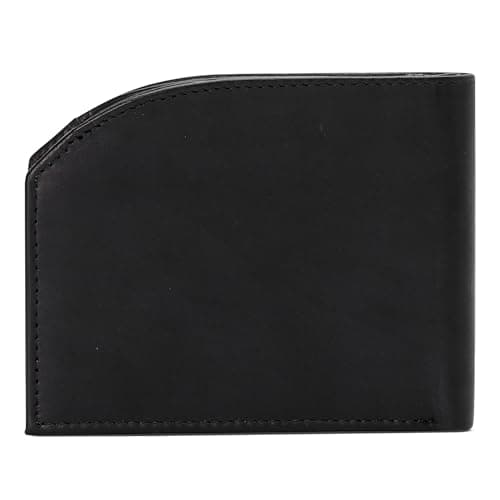
And the newest one is the rare material comparison that can be controlled: leather vs nylon wallet works because Rogue sells the same curved front-pocket shape in ballistic nylon and in top-grain leather, so published spec can be read against published spec. Two of the three findings contradict the category: the nylon model publishes the lowercard count, and no nylon wallet in our registry publishes a closed thickness at all — while the thinnest published figure on the page belongs to a leather wallet. It also says plainly where nylon is the right buy, which costs us money.
Go deeper
More in comparisons
Comparison
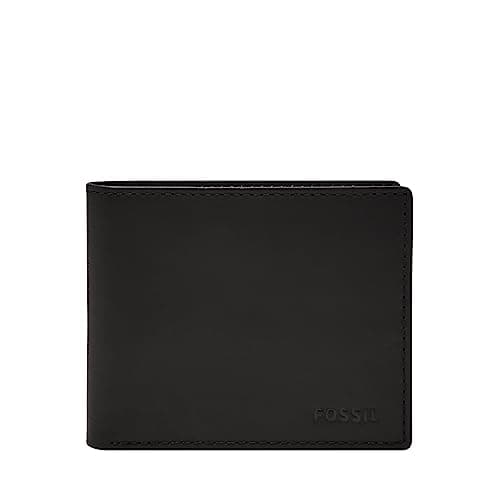
Bifold vs Trifold: Which Wallet Should You Buy?
Bifold or trifold? A clear decision table on capacity versus slimness, plus a top pick of each.
$65.00· View on AmazonTop pick
Fossil Derrick RFID Bifold
- Comparison
Comparison
Leather vs Metal Wallet: Which Should You Buy?
Metal or leather? A clear decision table on durability versus patina and cash, plus the best of each.
Check price →Top pick
Bellroy Note Sleeve
Comparison
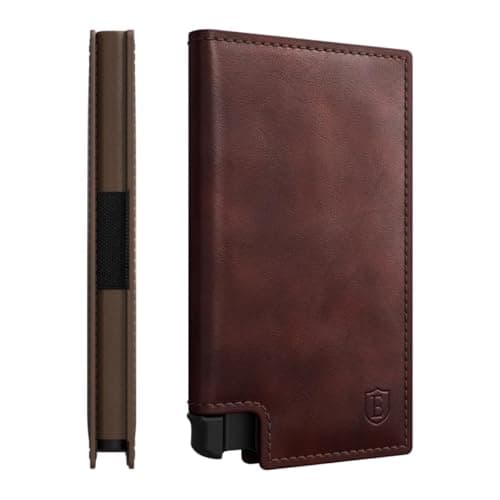
Card Holder vs Wallet: Which Do You Need?
Cardholder or full wallet? A decision table on cash and capacity versus slimness, plus a top pick of each.
$99.00· View on AmazonTop pick
Ekster Parliament
- Comparison
Comparison
Bellroy vs Ridge: Which Minimalist Wallet Wins?
The classic leather-versus-metal head-to-head: Bellroy's Note Sleeve against the Ridge, decided by how you carry.
Check price →Top pick
Bellroy Note Sleeve
Comparison
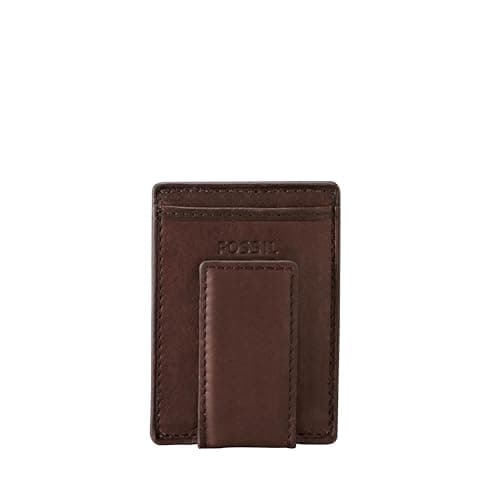
Money Clip vs Bifold: Which Should You Carry?
Fast cash on a clip or hidden in a fold? A decision table plus a top money-clip and a top bifold.
$55.00· View on AmazonTop pick
Fossil Ingram Magnetic Card Case
- Comparison
Comparison
Bellroy vs Ekster: Which Premium Wallet Wins?
The two premium design brands, head to head: Bellroy's folding Note Sleeve versus Ekster's pop-up Parliament.
Check price →Top pick
Bellroy Note Sleeve
Comparison
Ekster vs Ridge: Which Minimalist Wallet Wins?
The pop-up cardholder against the metal cage: Ekster's Parliament versus the Ridge, decided by how you reach your cards and carry cash.
$99.00· View on AmazonTop pick
Ekster Parliament
- Comparison
Comparison
Bellroy vs Fossil: Which Leather Wallet Wins?
Premium slim versus mainstream classic: Bellroy's Note Sleeve against Fossil's RFID bifold, decided by slimness, leather grade and budget.
Check price →Top pick
Bellroy Note Sleeve
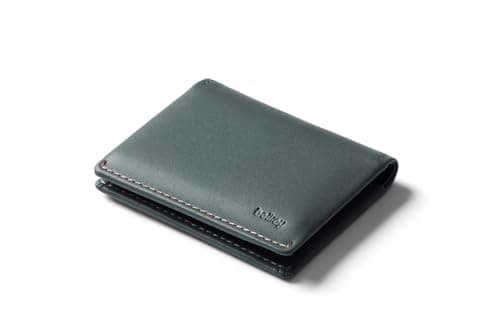
Comparison
Slim Wallet vs Bifold: Which Should You Carry?
Go slim or stay classic? A decision table on slimness versus capacity and cash, plus a top slim wallet and a top bifold.
$85.00· View on AmazonTop pick
Bellroy Slim Sleeve
Comparison
Ekster vs Nomad: Which Slim Carry Wins?
Standalone pop-up or phone-mounted MagSafe? Ekster's Parliament against Nomad's Horween Find My wallet, decided by how you carry your phone.
$99.00· View on AmazonTop pick
Ekster Parliament
- Comparison
Comparison
Bellroy vs Nomad: Which Slim Leather Carry Wins?
Slim cash-carrying bifold or phone-attached cardholder? Bellroy's Note Sleeve against Nomad's Horween MagSafe wallet, decided by whether you still carry cash.
Check price →Top pick
Bellroy Note Sleeve
- Comparison
Comparison
Bellroy vs Carhartt: Refined or Rugged?
Premium and refined or rugged and rustic? Bellroy's slim Note Sleeve against Carhartt's oil-tan workwear bifold, decided by whether your wallet dresses up or gets beaten up.
Check price →Top pick
Bellroy Note Sleeve

Comparison
Ridge vs Nomad: Metal Cage or MagSafe Leather?
Bare-metal toughness or leather warmth on your phone? The Ridge metal card wallet against Nomad's Horween MagSafe holder, decided by toughness versus patina and phone-attach.
$69.00· View on AmazonTop pick
Ridge Wallet
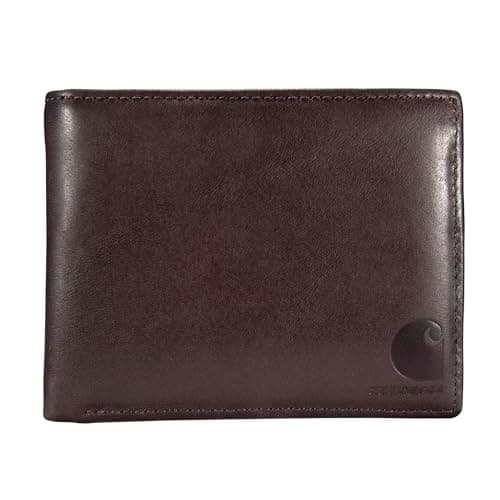
Comparison
Carhartt vs Timberland: Which Rugged Bifold Wins?
Two rugged mainstream bifolds at friendly prices: Carhartt's oil-tan workwear wallet against Timberland's RFID commuter bifold, decided by character versus contactless security.
$42.99· View on AmazonTop pick
Carhartt Oil-Tan Leather Wallet
Comparison
Fossil vs Timberland: Which Bifold Should You Buy?
Dressier or rugged? The Fossil Derrick's flip-ID capacity against the slimmer, rugged Timberland Wellington, decided by style, card count and price.
$65.00· View on AmazonTop pick
Fossil Derrick RFID Bifold
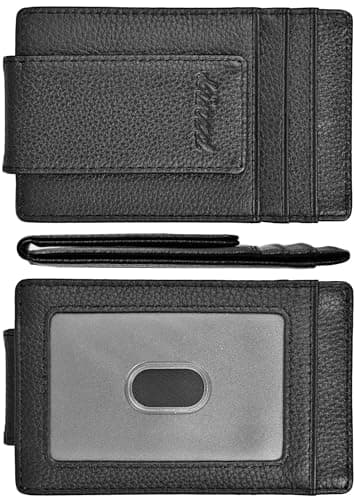
Comparison
Money Clip vs Cardholder: Which Should You Carry?
Cash-first or cards-only? A money-clip wallet against a slim cardholder, decided by whether you still reach for cash and how slim you want to go.
$23.97· View on AmazonTop pick
kinzd Money Clip Wallet
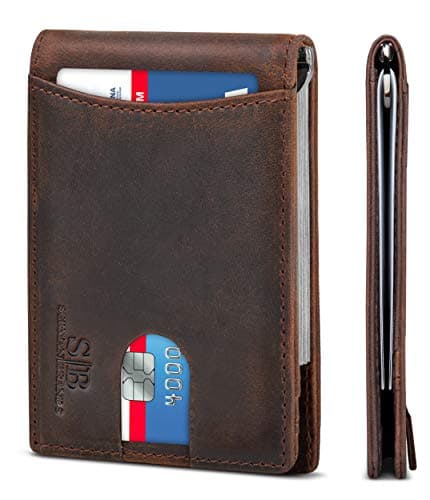
Comparison
RFID Wallet vs Regular Wallet: Does Blocking Matter?
Is RFID blocking a must-have or a nice-to-have? An RFID-blocking slim bifold against a non-RFID leather slim wallet, decided by how much the contactless risk actually worries you.
$34.95· View on AmazonTop pick
Serman Brands Slim Bifold
- Comparison
Comparison
Bellroy Note Sleeve vs Hide & Seek: Which Bellroy?
The all-rounder or the roomier one with a hidden stash? Bellroy's Note Sleeve against the Hide & Seek, decided by card count and how much thickness you will trade for capacity.
Check price →Top pick
Bellroy Note Sleeve
Comparison
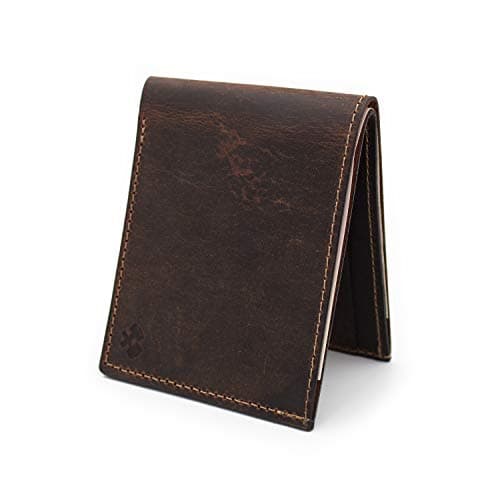
Bifold vs Long Wallet
The format comparison decided on one number: a Federal Reserve note is 6.14 in long, so a bifold folds it and a long wallet does not. Five picks from both sides, with live prices.
$59.99· View on AmazonTop pick
Main Street Forge Bifold
Comparison
Ekster vs VULKIT
The pop-up cardholder brand decision: Ekster states top-grain and sells a tracker, VULKIT states a grade on one model and solves cash and coins for a third of the price.
$99.00· View on AmazonTop pick
Ekster Parliament
Comparison
Leather vs nylon wallet
A controlled leather-versus-nylon comparison using one brand's identical curved shape in both materials: why the nylon model publishes the LOWER card count, why no nylon wallet we hold publishes a thickness, and the three situations where nylon is still the honest answer.
$45.00· View on AmazonTop pick
Rogue Wallet Slim Leather Front Pocket (RFID)
Receipts
Sources
- Bellroy — published wallet specifications and card capacities
- Ekster — published cardholder specifications
- Ridge — published wallet specifications
We do not run a testing lab, and we do not pretend to. Every spec above traces to a manufacturer listing or a named standard; where we could not verify something, we say so on the page rather than quietly leaving it out. Read our full method.