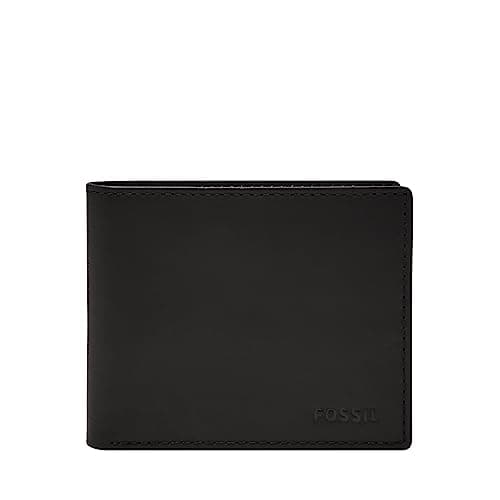
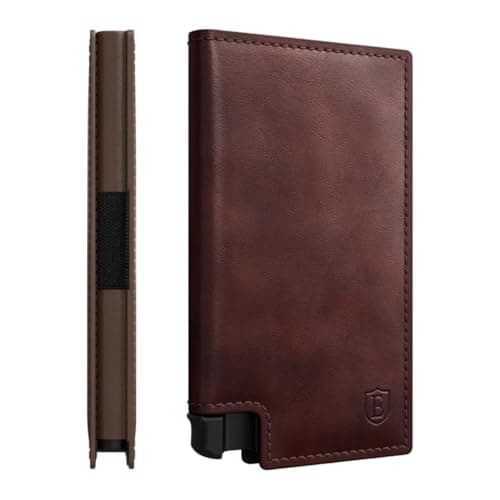
The choice between a cardholder and a wallet is really a choice about cash. A cardholder is a slim sleeve for cards with, at most, a slot or strap for a folded bill; a wallet (usually a bifold) folds around cash and holds more cards, at the cost of thickness. If you have mostly gone cashless and carry a handful of cards, a cardholder is the slimmer, better daily carry. If you still handle cash and carry an ID plus a stack of cards, a wallet earns its extra bulk. Here is the decision, then a top pick of each — and if it is only the cash keeping you undecided, how to carry cash with a card holder breaks down what a strap, a slot and a clip each actually hold.
| Factor | Card holder | Wallet (bifold) |
|---|
| Slimness | Slimmest real carry short of a phone wallet | Thicker — a spine plus folded cash |
| Cash | A slot or strap only; not built for bills | Folds and hides cash naturally |
| Card capacity | Typically 4-12, best kept lean | 8-10 plus, with an ID window |
| Best pocket | Front pocket, easily | Front or back |
| Best for | Cashless, minimalist carriers | Cash-and-cards, heavier carriers |
Who should carry a cardholder
If you tap to pay for almost everything and rarely touch cash, a cardholder is the honest upgrade — it holds the cards you use and disappears in a front pocket. A pop-up cardholder adds fast access to the cards you tap most, and our cardholders and money clips hub ranks the field. The one rule is to carry it lean: a cardholder crammed with twelve cards stops being slim and starts being a worse bifold.
Who should carry a wallet
If you still use cash, carry an ID you flash often, or simply keep more cards than a sleeve holds comfortably, a bifold is the right tool. It hides folded bills, gives you an ID window, and does not force you to choose what to leave behind. The trade is thickness — a loaded bifold will never be as slim as a cardholder. Our bifold hub covers the best of them, and the best wallets for cash and cards narrows it further.
The honest middle ground
If you carry a little cash but hate bulk, a money-clip wallet splits the difference: cards in leather, cash on a clip, slimmer than a bifold. Sort out how much cash you truly carry first — that one answer usually decides the whole thing.