Leather Guide
The Leather Guide
The education layer under every pick: what the leather grades actually mean, how long a wallet lasts, and how to make one last longer.
Roundups tell you which wallet to buy. This hub tells you what you are buying — because "leather" on a label can mean anything from a wallet that outlives you to one that flakes apart in two years. Understand the grades, the aging and the care, and every buying decision on the rest of the site gets easier and cheaper.
We earn a commission when you buy through our Amazon links, at no extra cost to you. It never affects our picks, and we say so when the cheaper wallet is the better buy. How this works.
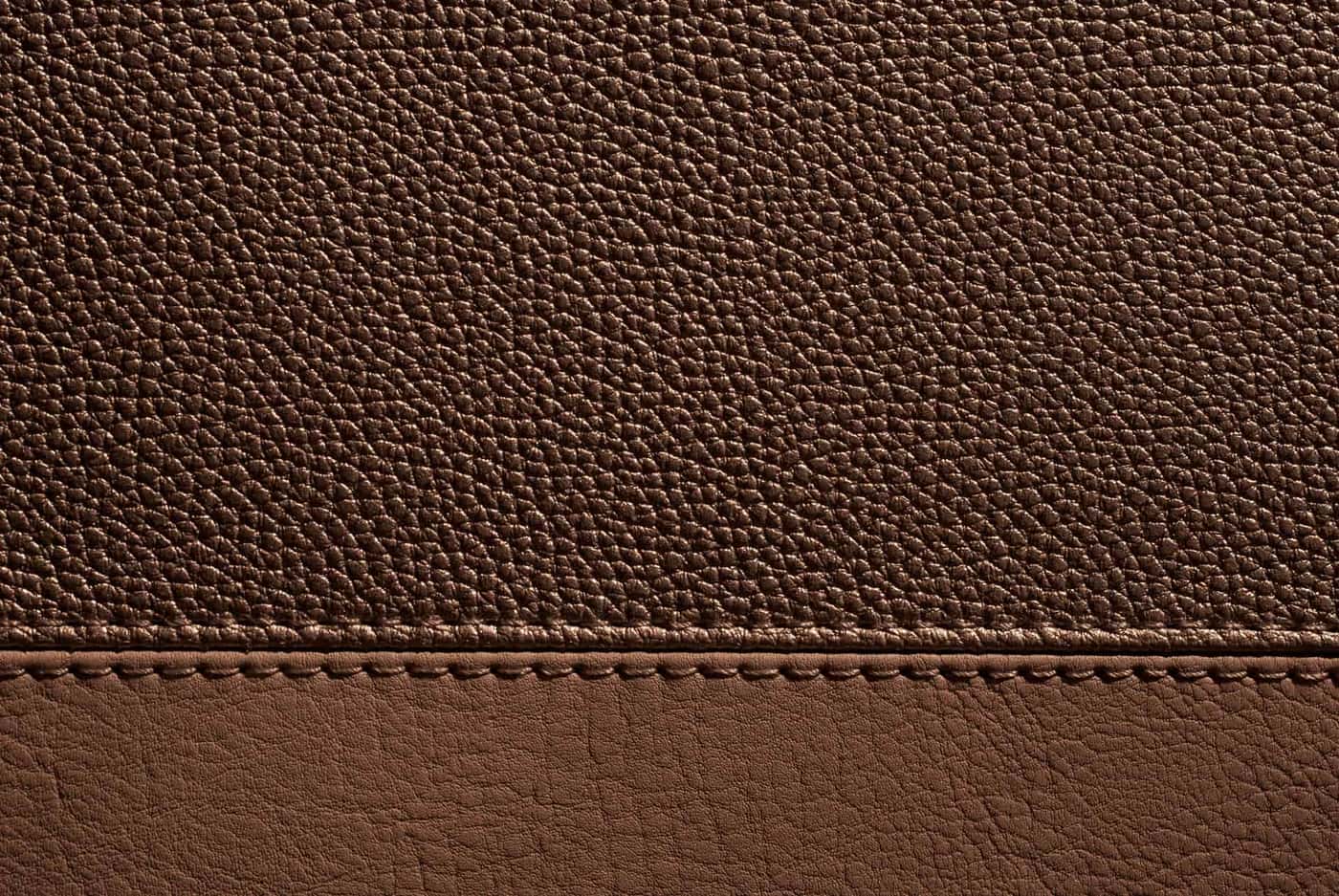
The single most useful thing you can learn about wallets is the leather grade ladder, because it explains almost every price difference on this site. From best to worst: full-grain (the whole top layer of the hide, strongest, ages into a patina), top-grain (sanded and finished, slightly less durable but smoother and cheaper), genuine leather (a confusing name for a low grade made from the leftover layers), and bonded (leather scraps glued together — avoid it in a wallet). Our full-grain vs top-grain vs genuine guide lays out the whole ladder with what each grade means for durability, look and cost.
The second thing worth knowing is how long a wallet actually lasts, since that is what turns a sticker price into a real cost. A full-grain wallet can run a decade or two; a genuine-leather one is often a two-to-three-year item; bonded leather can fail in a year. Our guide to how long leather wallets last puts numbers to each grade, and the cost-to-own page does the arithmetic that no other wallet site publishes: price divided by realistic lifespan, so you can see when the expensive wallet is actually the cheaper one.
Finally, a little care doubles the life of any leather wallet: keep it out of your back pocket, do not overstuff it, keep it dry, and condition it once or twice a year with one of the leather conditioners we rank for wallets — a category sold almost entirely to people with boots and car seats, where the bottle size and the darkening risk are both wrong for something the size of your palm. Good leather is meant to develop a patina — the darkening and sheen it earns from your hands and pocket over the years — and that is a feature, not wear. This hub is the reference desk behind every roundup on the site; when a pick says "full-grain, ages well," this is where we explain exactly what that is worth.
Added October 2026, and the page to read if the question behind the grade ladder is really “which one will I still have in ten years”: most durable leather wallets ranks six wallets on the warranty their own listings publishrather than on the hide, because wallets almost never fail at the leather — they fail at the stitching, the edge coating, the lining or a moving part, and the warranty is the only durability claim on a listing that costs the seller money if it is wrong. Four of the six say “lifetime”; only two say what a lifetime covers.
Newest in the hub, and the first spoke here about where a hide came from rather than what it is: Italian leather, explained. Every other guide on this page describes a grade or a tannage; “Italian leather” is the most-used adjective in the wallet aisle and it answers a different question entirely, which is why Italian or full-grain? has no answer as asked. The page shows the one version of the claim that is independently certified, and uses three listings from our own registry that use the same two words to mean three different things.
Go deeper
More in leather guide
Roundup
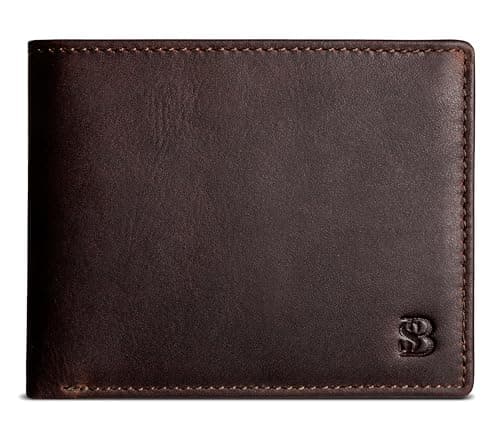
Best Full-Grain Leather Wallets
The wallets that genuinely use full-grain leather, ranked — the grade that patinas instead of wearing flat, from a $30 slim bifold to a MagSafe holder and an AirTag billfold.
$34.95· View on AmazonTop pick
Serman Brands Venture Bifold
Roundup
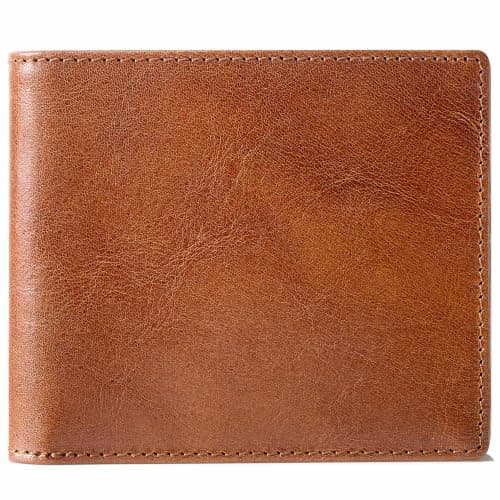
Best Vegetable-Tanned Leather Wallets
The vegetable-tanned wallets you can genuinely buy on Amazon — a Tuscan veg-tan bifold, two full-grain card holders and a zip wallet, ranked with honest cons.
$54.95· View on AmazonTop pick
ALBEPPE Tuscan Veg-Tanned Bifold
Roundup
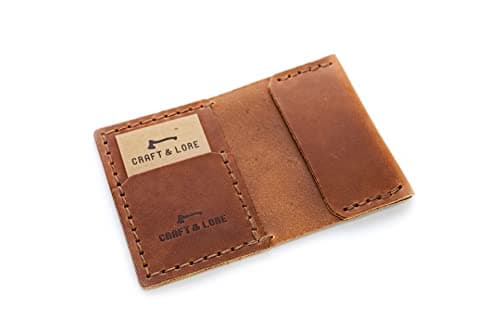
Best Horween Leather Wallets
The wallets that genuinely use Horween leather — a made-in-USA bifold, a named Chromexcel wallet and a Horween MagSafe holder, with honest cons on each.
$70.00· View on AmazonTop pick
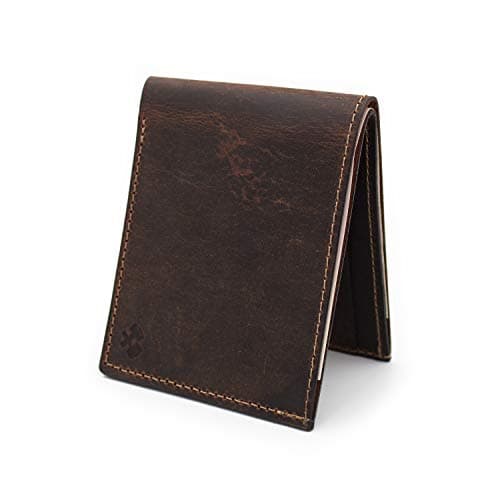
Craft & Lore Insider Bifold
Roundup
Best Made-in-USA Leather Wallets
Leather wallets whose own listings state US manufacture, ranked with live prices — plus what American assembly costs you in RFID, ID windows and card slots.
$59.99· View on AmazonTop pick
Main Street Forge Bifold
Roundup
Best Leather Conditioners for a Wallet
Six real leather conditioners ranked for a wallet rather than a boot — on whether they claim not to darken, what they admit to containing, and whether the bottle is a sane size.
$9.92· View on AmazonTop pick
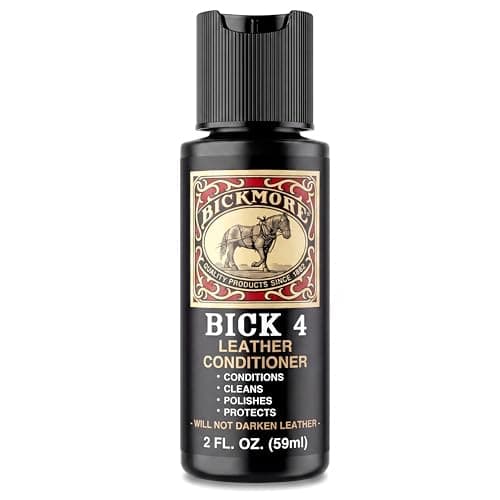
Bickmore Bick 4 Leather Conditioner, 2 oz
Roundup
Most Durable Leather Wallets
Durability ranked on the published warranty rather than on adjectives: four lifetime claims, one finite three-year term, and the one component on every wallet that no warranty covers.
$59.99· View on AmazonTop pick
Main Street Forge Bifold
- Guide
Guide
Full-grain vs top-grain vs genuine vs bonded leather
The grade ladder decoded: full-grain, top-grain, genuine and bonded — what each is, how it ages, and the one to buy for a wallet.
- Guide
Guide
How long do leather wallets last?
Realistic lifespan ranges by grade — and the handful of habits that decide whether a wallet lasts two years or twenty.
- Guide
Guide
The real cost of a leather wallet: cost-to-own math
Price divided by realistic lifespan gives a cost per year — and it usually flips which wallet is really the cheap one.
- Guide
Guide
How to care for a leather wallet
The simple routine that keeps leather supple for years: condition a couple of times a year, keep it dry, carry it lean.
- Guide
Guide
How to break in a leather wallet
Why a new wallet feels stiff, how long break-in takes, and the safe ways to soften it — plus the shortcuts to avoid.
- Guide
Guide
Types of leather wallets, explained
Bifold, trifold, slim, front-pocket, cardholder, money clip and metal — every format explained, with who each is for.
- Guide
Guide
Leather wallet patina, explained
The way good leather darkens and glows with age — what patina is, which leathers develop it, and how to grow a rich one.
- Guide
Guide
Vegetable-tanned leather, explained
The traditional tannage that patinas best of all — what veg-tan is, how it differs from chrome-tanned, and who it suits.
- Guide
Guide
Horween Chromexcel, explained
The famous Chicago pull-up leather behind so many premium wallets — what CXL is, why makers love it, and how it ages.
- Guide
Guide
How to choose a leather wallet
The three questions that decide the right wallet — cash, card count and leather grade — with a clear pick for each answer.
- Guide
Guide
How to get scratches out of a leather wallet
The safe way to buff most scratches out of leather, when a mark is really patina, and what not to do so you don't make it worse.
- Guide
Guide
Why is my leather wallet peeling?
Peeling almost always means bonded or coated leather, not real full-grain — what it is, whether you can fix it, and how to avoid it next time.
- Guide
Guide
Chrome-tanned leather, explained
The most common tannage — soft, supple and water-resistant from day one. What chrome-tan is, how it differs from veg-tan, and who it suits.
- Guide
Guide
Bonded leather, explained
The bottom of the leather ladder: glued scraps with a coating that peels. What bonded leather is, why it fails, and how to spot it.
- Guide
Guide
Are leather wallets waterproof?
Leather is water-resistant, not waterproof. What happens when a wallet gets soaked, which leathers cope best, and how to dry one the right way.
- Guide
Guide
How to get a smell out of a leather wallet
Diagnose the smell first — new-leather, musty mildew, or absorbed odor — then use the right method to clear it without harming the leather.
- Guide
Guide
Do leather wallets stretch?
Leather stretches and molds to your carry over time. How much to expect, which leathers give most, and how to avoid over-stretching the slots.
- Guide
Guide
How to store leather wallets
Store a wallet you are not using the right way: emptied, lightly shaped, cool and dry, in a breathable bag — not plastic. The full method.
- Guide
Guide
How to spot fake leather
Real leather or PU? The tells are in the smell, the pores, the cut edges and the label — a buyer's checklist before you spend.
- Guide
Guide
What is the best leather for a wallet?
Full-grain is the best leather for a wallet — ideally vegetable-tanned or an oil-tanned like Chromexcel. Grade beats tannage; here is how to choose by budget.
- Guide
Guide
Oil-tanned leather explained
Oil-tanned (hot-stuffed) leather is loaded with oils and waxes for supple, water-resistant, rugged wear with a pull-up effect. Here is what it is and how it holds up in a wallet.
- Guide
Guide
Crazy Horse leather explained
Crazy Horse leather is waxed pull-up cowhide (not horse hide) with a rugged vintage look — scratches rub out and add character. Quality varies, so check the grade.
- Guide
Guide
Saffiano leather explained
Saffiano is a cross-hatch textured, coated leather (originated by Prada) — scratch- and water-resistant and wipe-clean, but treated so it does not patina. Common on Fossil and designer wallets.
Guide
Italian leather, explained
Why “Italian leather” is not a grade and not a rival to full-grain, the one version of the claim that is independently certified, and how three real listings in our registry use the same two words to mean three different things.
$25.99· View on AmazonTop pick
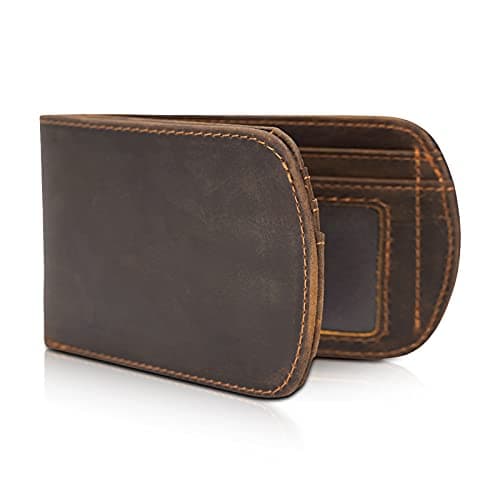
Polare Slim Curve Front Pocket RFID Bifold
Receipts
Sources
- Bellroy — leather sourcing and grade information
- Popov Leather — full-grain leather and lifetime construction
We do not run a testing lab, and we do not pretend to. Every spec above traces to a manufacturer listing or a named standard; where we could not verify something, we say so on the page rather than quietly leaving it out. Read our full method.