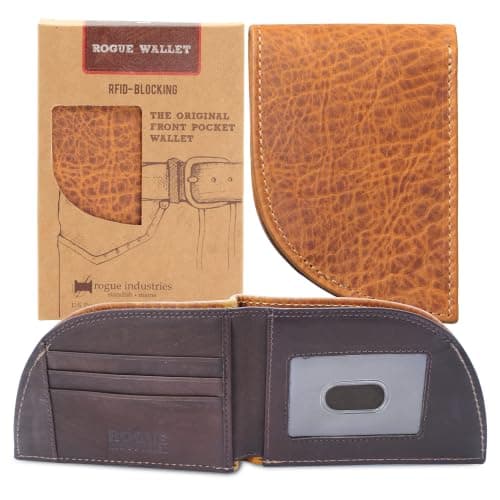
“Made in USA” is the most abused phrase in leather goods. A wallet can be designed in Portland, branded with a state outline, sold by a company headquartered three miles from you, and still be cut and stitched on the other side of the world — and none of that is illegal, because the marketing never actually said where it was made. So this roundup starts with a rule rather than a pick: every wallet below states US manufacture in its own product listing, in writing. Not “designed in America.” Not an American-sounding brand name. The listing says made, handmade, or handcrafted in the United States, and we quote that language in each entry.
That rule is stricter than it sounds, and it threw out a lot of wallets we expected to include. Several well-known American heritage makers do not sell a wallet on Amazon at all, so there was nothing for us to price or link honestly. At least one brand sells both American-made and imported versions of the same silhouette, distinguished only by a word buried in the product copy — which is exactly why we read the listing rather than trusting the label. What survived is six wallets across five formats, ranked, with the cons stated plainly on every one.
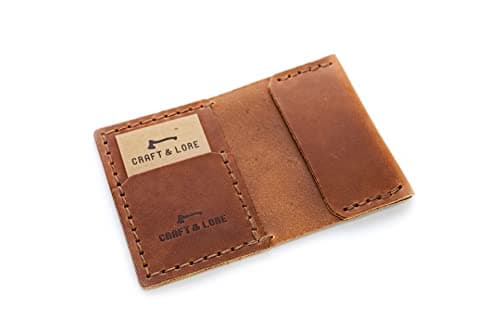
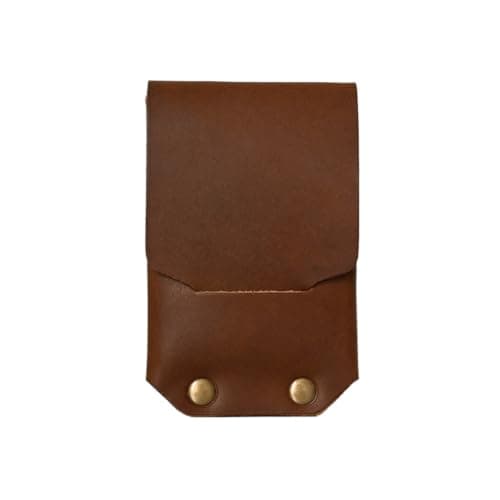
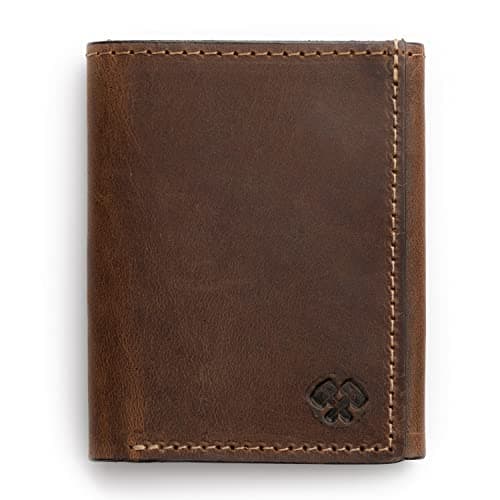
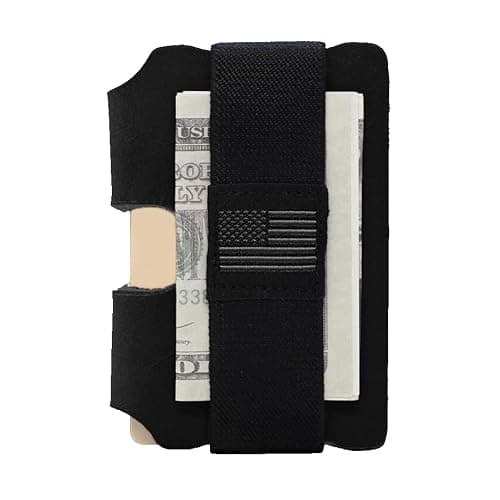
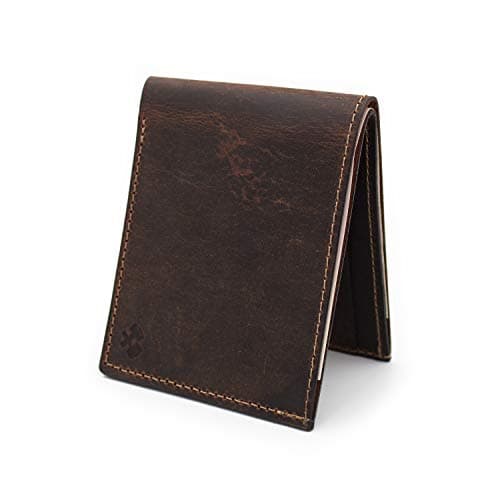
Our best overall is the Main Street Forge bifold: full-grain leather, a six-pocket billfold layout with the capacity of a normal wallet, and a lifetime warranty from the maker. The Craft & Lore Insider is the pick if you want the hide to matter as much as the country — it is hand saddle-stitched in North Idaho and offered in Horween Chromexcel or Dublin. The American Bench Craft Revere is the slim one, at a published 3.75in x 2.5in from a veteran-owned workshop; the Main Street Forge trifold covers the format almost nobody makes here; the American Bench Craft EDC is the cheapest honest way into US-made leather; and the Rogue Wallet bison is the only one on the list whose listing claims both Maine manufacture and RFID blocking. Full reasoning, specs and cons below.
The inclusion rule, and what it excluded
We only included a wallet if its own Amazon listing — title or feature bullets — states that the product is made, handmade, or handcrafted in the United States. That is a deliberately mechanical test, and it is the same kind of rule our full-grain roundup uses for leather grade: if the seller will not put the claim in writing on the page where they take your money, we do not put it in a headline for them.
Three categories of wallet failed that test. First, the designed-here brands: copy that talks warmly about American design, American inspiration or an American workshop, then never says where the wallet was assembled. Second, the mixed-line brands, which sell both domestic and imported versions of the same wallet — buy the wrong colorway or the wrong material and you have an import; our Rogue Wallet review works through one such line listing by listing. Third, the well-regarded small US makers who simply do not sell on Amazon; they are real, they are often excellent, and they are outside what this site can price and link honestly. None of those exclusions mean the wallet is bad. They mean we could not verify the one claim this page is about.
American-made and American hide are two different claims
A wallet can be stitched in Idaho from Italian leather, or cut in Asia from an American hide. Both are common, and neither is dishonest — but they answer different questions, and buyers conflate them constantly. Main Street Forge's listing happens to claim both: American leather, made in the USA. Craft & Lore's Horween option names an American tannery specifically. The Rogue bison listing states Maine manufacture but does not name the hide's origin, so we have not implied one.
If your reason for buying domestic is the supply chain, ask about the hide. If your reason is the workshop and the warranty — the ability to get a wallet repaired by the people who made it — ask about the assembly, and note that the warranty is not printed on every listing even within one brand, which is one of the things our Main Street Forge brand review checks listing by listing across the five models it sells. And if what you actually want is the best leather rather than the nearest, read the full-grain vs top-grain vs genuine ladder first, because grade drives how a wallet ages far more than geography does.
What US manufacture costs you: RFID, ID windows and card counts
Here is the pattern you will notice reading the six entries above: the American wallets are strong on leather and build, and weak on features. Five of the six make no RFID claim at all. Almost none list an ID window. Two do not publish a card capacity, which is why our spec table shows a dash rather than a number for them — we would rather print nothing than invent a figure.
That is not a coincidence. RFID shielding is a lining material, an ID window is a die-cut film panel, and both come from a features-driven manufacturing culture that small US workshops largely sit outside. A maker cutting and stitching wallets in small batches is optimizing for hide quality and stitching, not for a bullet list. So decide which side of that trade you are on before you spend: if you need RFID, our RFID wallets roundup is a better starting point, and if you need a window, the ID-window list is. Buying a US-made wallet and then discovering it does nothing you needed is a worse outcome than buying an import that does.
Handmade, handcrafted, hand-stitched: which words carry weight
These three are not synonyms, and the difference is worth about thirty dollars. Handmade and handcrafted are broad: they usually mean a person cut, glued and machine-sewed the wallet rather than a fully automated line, which is genuinely different from mass production but is not a construction spec. Hand-stitched or saddle-stitched is specific and checkable: two needles, one thread, each stitch locked independently, so a broken stitch cannot unzip the seam the way a machine lockstitch can. It is slower, it costs more, and it is the single most durable way to join two pieces of leather.
On this list only the Craft & Lore Insider claims hand saddle-stitching, and it is also the most expensive pick. That is the correct order of things. If a listing uses “handmade” but never says hand-stitched, assume machine stitching — which is completely fine on a wallet and is what most of the leather goods you have owned used.
When the imported wallet is the better buy
We would rather send you to the right wallet than the patriotic one. If your budget is under about thirty dollars, buying domestic means accepting a card sleeve instead of a wallet, and a well-made import will serve you better — that is what our under-$50 list is for. If you need RFID, an ID window and a dozen card slots in one wallet, the import wins on features and it is not close. And if you are still deciding which format suits you at all, buy something cheap to learn on before you spend triple on a wallet made three states away.
Where domestic manufacture genuinely earns its premium is the long tail: a lifetime warranty you can actually claim against, a workshop that will repair rather than replace, and hide quality that makes a decade-long wallet plausible. Run the cost-to-own math on that basis and a $60 American full-grain bifold that lasts twelve years is cheaper per month than a $25 wallet replaced every three — but only if it lasts, which is why we weighted build and leather heavily and capacity lightly in the scores above. For the wider view of which brands are worth your money at all, our leather wallet brands guide ranks the whole field, domestic and imported together.
Where thick American hide actually earns its money
On a wallet that works for a living. Best leather wallets for work ranks the jobsite field on tannage rather than grade, because the three things that kill a wallet at work are abrasion, sweat and a soaking — and a thick full-grain or oil-tanned hide handles all three where a thin coated finish wears through to a different-colored layer and then cracks along the fold. The same page is also where the maker-held lifetime warranties on this list stop being a marketing line and start being the reason to buy.