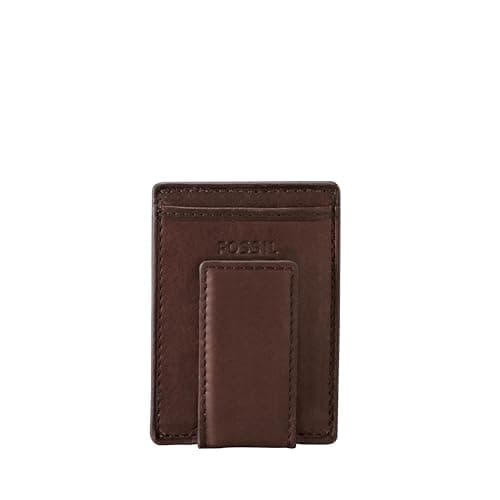
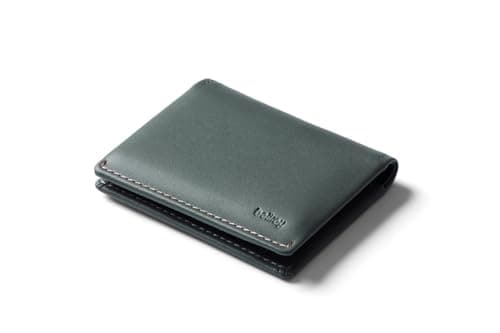
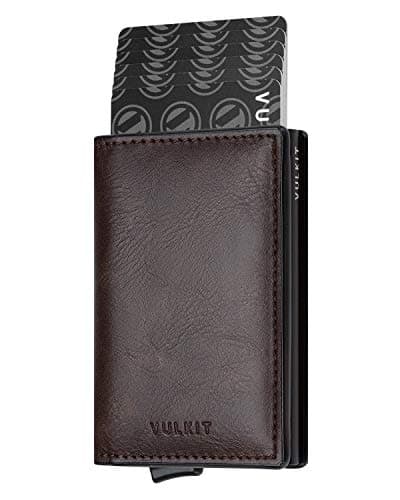
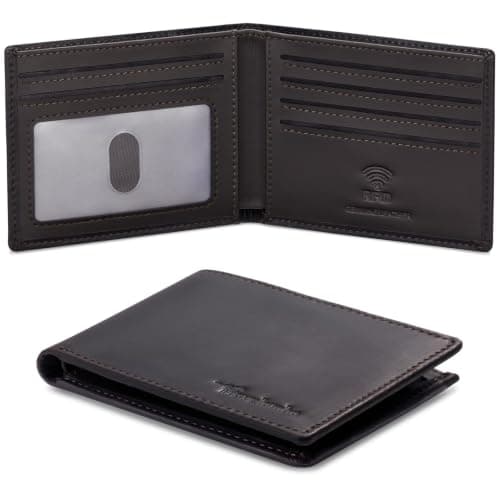
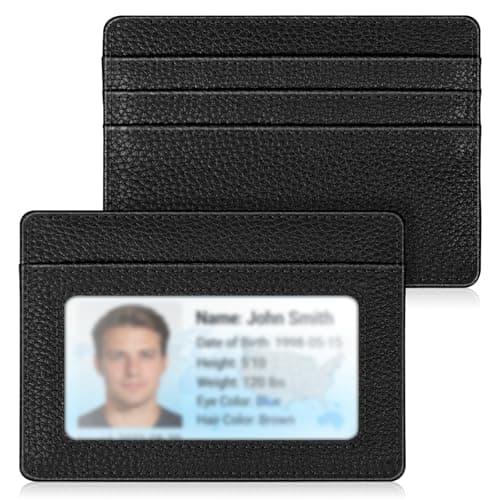
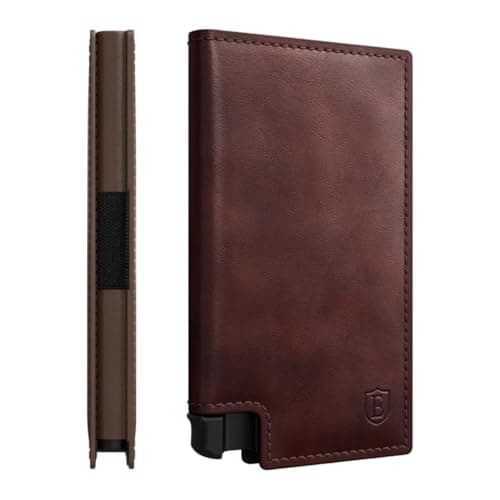
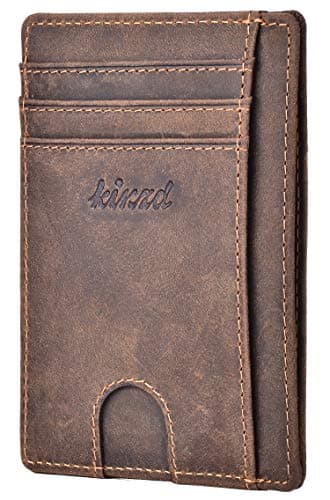
The first fork is how you access your cards. A simple sleeve or slotted cardholder is the most compact and the cheapest — you thumb the card you want up out of a slot. A pop-up cardholder like the Ekster Parliament or the budget VULKIT adds a mechanism: press a lever and your cards fan out in a staircase, ready to grab. The pop-up is genuinely satisfying and fast, and it is the single biggest reason to spend more in this category. If you tap cards all day, it earns its keep; if you do not, a plain cardholder is lighter and cheaper.
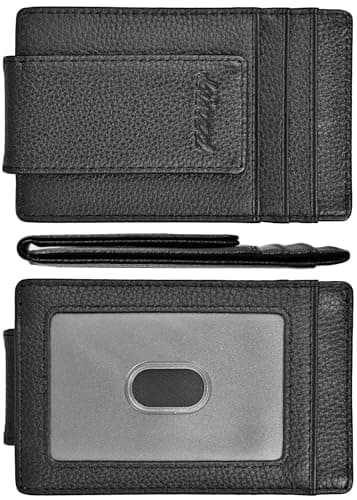
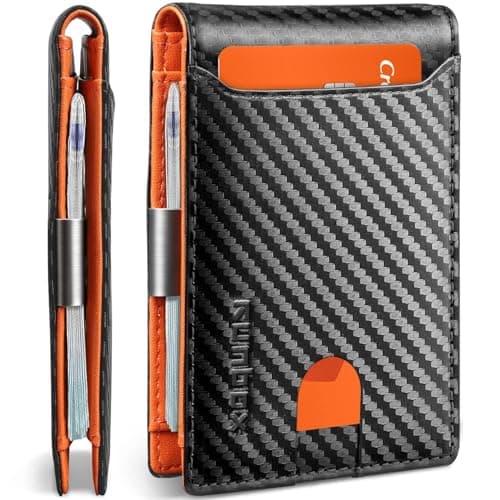
The second fork is cash. A pure cardholder carries little to none — a folded bill squeezed into a slot at most. A money-clip wallet like the Fossil Ingram or the kinzd solves that by clipping folded bills to the outside, so you get card storage and fast cash in one slim object. The pop-up cardholders take a third approach: an elastic strap around the outside that holds a couple of cards or a fold of notes. Decide whether you carry cash before you choose, because it is the thing these formats handle most differently — our guide on how to carry cash with a card holder takes each of the four mechanisms in turn and says what each one realistically holds.
Price here spans an unusually wide range for what looks like a small object. A Fintie or Travelambo cardholder costs less than lunch; an Ekster Parliament is a genuine premium product with an aluminum cage, real leather, RFID blocking and an optional solar tracker card. The budget picks are the right way to find out whether card-only carry suits you. If it does, the upgrade to an Ekster — or to a full-grain cardholder from a heritage maker — is money well spent, because a cardholder is small enough that leather quality is felt every single day.
The mistake buyers make is treating a cardholder like a wallet and expecting it to hold everything. It will not, and that is the point. Carry your daily cards and a little cash; leave the loyalty cards in a drawer or an app. If you find yourself unable to pare down to six or eight cards, a cardholder is fighting your habits — a slim bifold is the more honest choice. Every pick below lists its capacity, its cash solution and whether it blocks RFID.
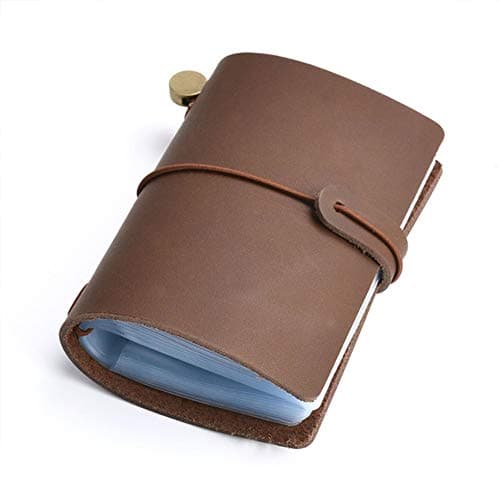
There is one exception worth naming, because some readers genuinely do carry a company card, a personal card, a fuel card and a badge. A separate shelf of large-capacity leather card holders publishes sixteen, twenty or twenty-six slots — accordion cases, long bifolds and one with no slots at all — and we rank those on the number the listings never print next to the slot count: how much thickness each of those cards actually costs you. None of the picks below publishes a capacity past twelve, and that is deliberate.
One worry worth settling before you buy, because it stops people moving to this format at all: a slim holder does not wear your cards out. A payment card is tested under ISO/IEC 10373-1 at a thousand bends and a thousand twists with the chip still required to work, so the even pressure of a slot is not what cracks one. What cracks a card is levering it out over a hard rim, which is a habit rather than a wallet — and the mechanical holders have a minimum card count as well as a maximum, because they grip by friction. Our do card holders damage cards guide works through all three real failure modes and what to do about each.
Three spokes answer the questions this hub gets asked most. Best card holders that hold cash is for the reader who has not stopped carrying notes: clip, cash slot or zipped pocket, ranked by mechanism. Best RFID-blocking leather card holders filters the format to the listings that state shielding, and argues that shielding should be a tiebreaker rather than a reason. And how many cards fit in a card holder is the mechanical answer, including the detail nobody publishes: a friction-retained cage has a minimum card count as well as a maximum.
Added October 2026: best wallets for business cards tackles the measurement this whole category ignores. A US business card is 88.9 mm wide and an ID-1 payment card is 85.60 mm, so a business card is 3.3 mm too wide for a slot cut to the payment-card standard — it goes in bowed, loses a corner, or stretches the slot permanently. That reorders the same cases our large-capacity page ranks: the slimmest one goes first because it is the only listing that says what its sleeves are cut for.