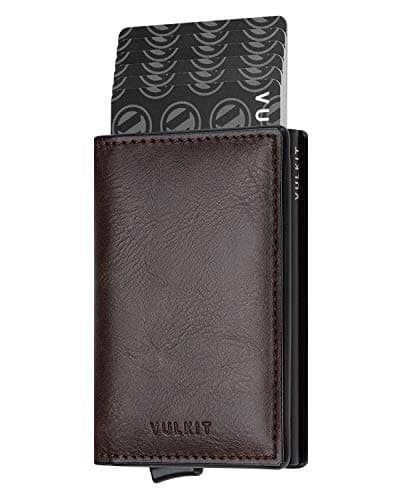
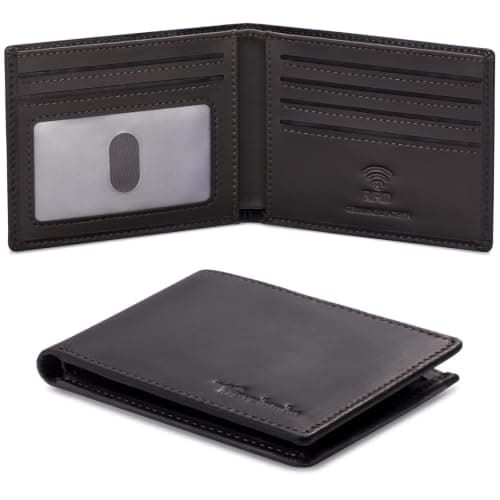
Take the features one at a time. RFID blocking is a metallic layer that stops a card's chip being read wirelessly through the wallet. It is cheap to add and harmless to have, so most modern wallets include it — but be honest about the threat: real-world wireless card theft is rare, and most tap-to-pay cards are already protected by the network. Useful, worth having, not worth losing sleep over. Our RFID wallet guide goes deeper.
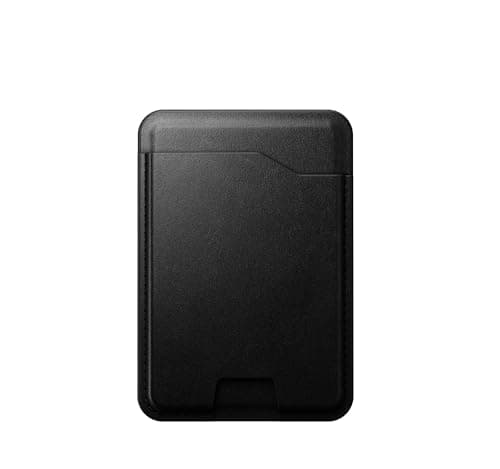
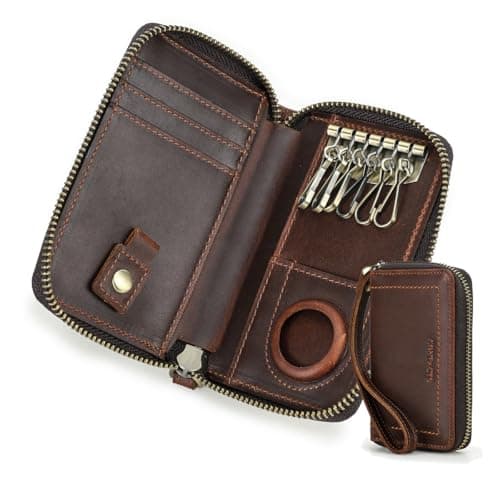
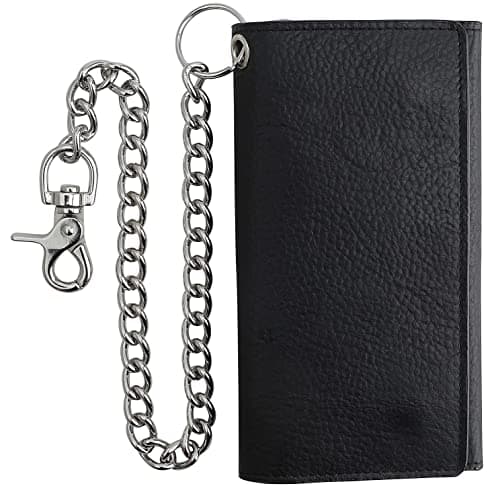
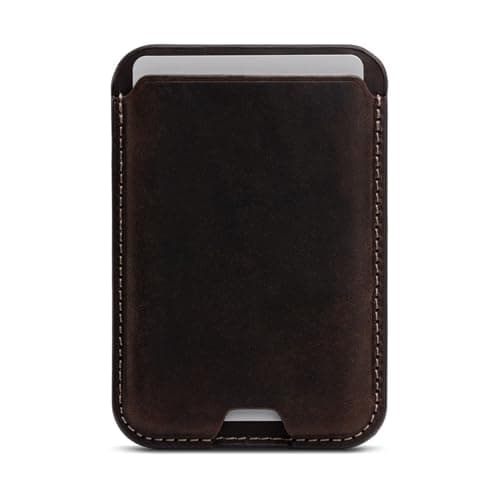
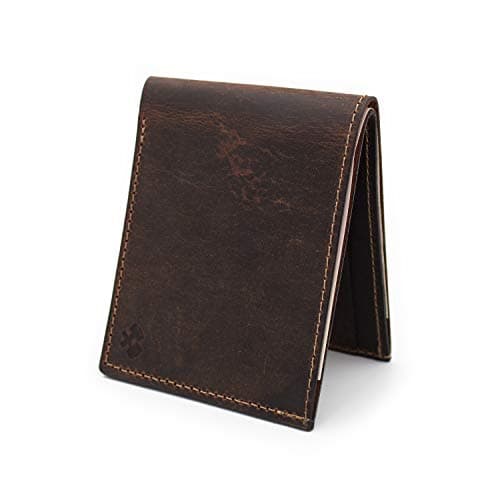
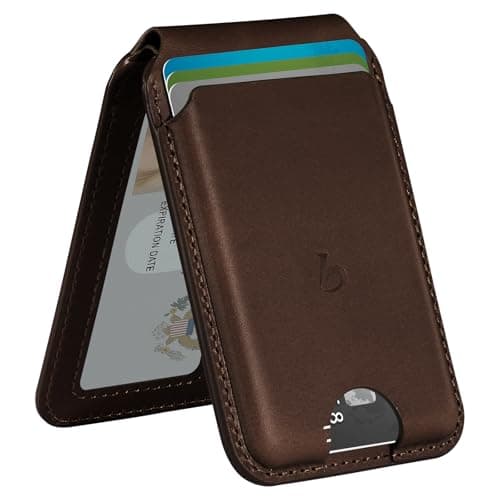
Tracking is the feature that has actually changed EDC wallets. An AirTag pocket (like the Geometric Goods billfold) or integrated Find My tracking (like the Nomad MagSafe) puts your wallet on Apple's Find My network, so a lost wallet becomes a findable one. If you have ever left a wallet in a cab, this is the feature to pay for — with the caveat that it only helps inside Apple's ecosystem. A MagSafe holder takes a different angle: it makes the phone you never lose the thing that carries your cards, which is brilliant for a three-card day and useless if you carry cash or an Android. Almost every MagSafe wallet on sale is PU rather than hide, so our leather MagSafe wallets roundup ranks only the ones whose listing names a real leather, on published magnet grade rather than marketing. The low-tech version of the same idea is a tether: our chain wallets roundup ranks the leather wallets that ship with a chain on length, clasp and whether the thing detaches.
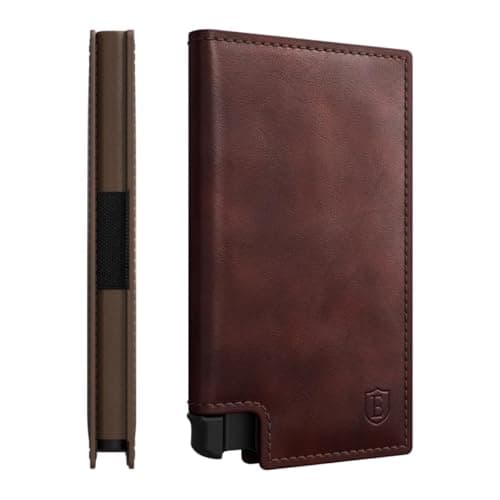
This hub is also where metal wallets earn a place on a leather site. The Ridge and the Ekster Aluminum are not leather, and we say so plainly — but they are the honest alternative for someone who wants maximum durability and does not care about patina, and no EDC roundup is complete without them. We rank them on their merits and tell you exactly what you give up: warmth, aging, and the feel that makes leather worth choosing. If you are weighing the two, read our format comparisons and the leather-versus- metal case in each metal pick's write-up.
The mistake in EDC is buying features you will not use. A tracker you never register, an RFID layer for a threat you do not face, a passport wallet for trips you do not take — all of it adds cost and sometimes bulk for nothing. Decide which one thing you actually want the wallet to do beyond holding cards, then buy the pick that does that one thing well. Every wallet below lists its standout feature, and we flag the metal picks clearly so you never mistake one for leather. This is also the one category where waiting for November can genuinely pay: the metal and pop-up brands have a documented history of real Black Friday discounts, which our Black Friday wallet deals hub lays out by brand, with sources — and if the wallet is a present, our EDC gifts guide re-sorts these picks by what to check about the recipient first.
The question underneath most everyday-carry decisions is how much cash to keep on you, and it has a shorter answer than people expect. How much cash should you carry in your wallet does the arithmetic — ten folded notes add under 0.09 in, less than three cards — and covers the one hard rule that exists, the $10,000 threshold you must report when you cross a US border.
Four newer pages sit under this hub, and two of them exist because the MagSafe picks above raise questions a ranking cannot answer in a card. How many cards fit in a MagSafe wallet collects the published ceilings — they run from two cards to twelve — and shows that the number is set by the mechanism rather than by the magnet, while why a MagSafe wallet falls off explains why a magnet is strong against a pull and weak against a peel, and names the only three listings in our record that publish an actual magnet grade.
The other two sort everyday carry by where it happens. Best leather wallets for work ranks on tannage rather than grade, because the three things that kill a wallet on a jobsite are abrasion, sweat and a soaking — and oil-tan handles all three where a coated finish cracks at the fold. And best wallets for the gym is the one page on this site where we argue against leather: sweat is salt water, salt draws the oils out of a hide, and the sensible answers are a consumable card sleeve or a metal case.
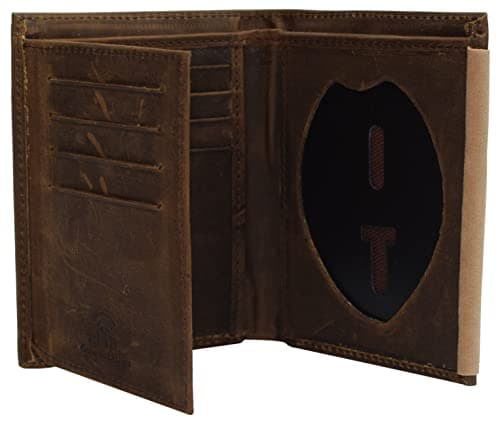
Two more pages sit under this hub for carries the general ranking does not serve. Best badge wallets for duty carry is the one category we rank where leather grade is not the deciding spec at all: a badge wallet has a die-cut opening sized to a specific badge outline, so the number that matters is the cutout the seller publishes — 3.14 by 2.18 inches for one eagle cut, 2.65 by 2.40 for an NYPD patrolman shield — and the page tells you which two measurements to take before ordering anything. It also carries the warning a duty reader needs: a lining that blocks a skimmer at 13.56 MHz equally blocks your own access fob.
Added October 2026, and the most common worry attached to the MagSafe end of this hub: do MagSafe wallets demagnetize credit cards? The answer is no in normal use, and the reason is that only the magnetic stripe stores anything magnetically — the EMV chip is an integrated circuit and the contactless antenna is a 13.56 MHz radio coil. The page quotes Apple's own published warning, which is about the charger rather than the wallet.