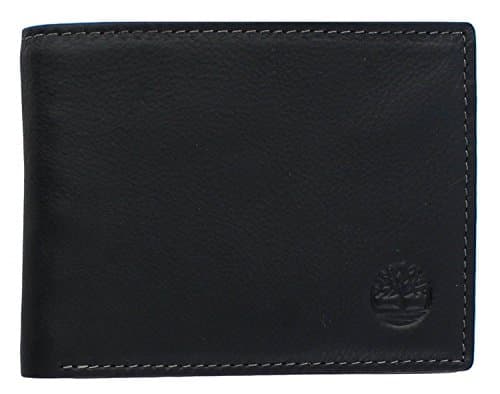
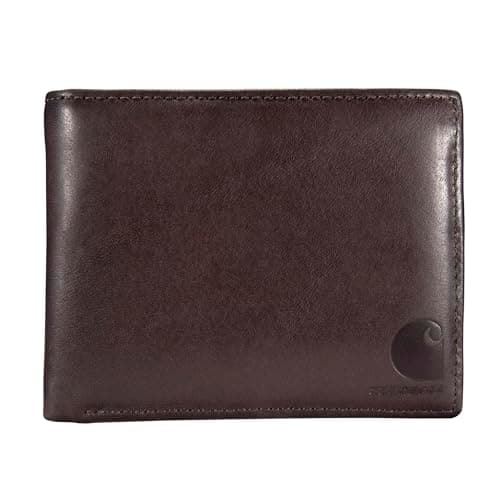
Carhartt and Timberland are both names people trust for hard-wearing leather, and both make an accessible, rugged bifold that is easy to buy or gift. The Carhartt oil-tan walletis the workwear pick: oil-tanned leather that is meant to scuff and darken into character, a removable passcase for an ID, and the durability the brand's jackets and boots are known for. The Timberland Wellington bifold is the classic commuter pick: genuine leather, RFID blocking, and a cut that runs slimmer than most traditional bifolds. Neither is expensive, both are rugged, and the real split is oil-tan character versus a modern RFID bifold. Here is the head-to-head, then both, priced live.
| Factor | Carhartt Oil-Tan Wallet | Timberland Wellington Bifold |
|---|
| Character | Rugged oil-tan workwear | Rugged classic commuter bifold |
| Leather | Oil-tanned leather | Genuine leather |
| Cards | 6–8, plus a removable passcase | 6–8 slots |
| RFID | Not marketed as RFID — check the variant | RFID-blocking |
| Cash | Folds bills inside, billfold | Folds bills inside, billfold |
| Ages / patina | Scuffs and darkens — earns character | Holds its factory look, rugged wear |
| Price | Accessible / budget-to-mid | Budget |
Choose the Carhartt if...
...you want a wallet with character that only looks better the harder your week is. Oil-tanned leather is engineered to take scuffs and darken with handling, so daily abuse adds patina instead of damage — ideal for a trade, the outdoors, or anyone rough on gear. The removable passcase pops out for an ID, the billfold hides cash the traditional way, and Carhartt's workwear durability backs it all up. It is a genuinely characterful wallet at an accessible price.
The caveat is RFID: it is not marketed as RFID-blocking, so if contactless protection is on your list, confirm it on the exact variant before buying — and if it is a must-have, the Timberland already has it. Read the full Carhartt review, or see how oil-tan ages in our oil-tanned leather guide.
Choose the Timberland if...
...you want RFID protection built in and a bifold that runs slimmer than most. The Wellington gives you Timberland's leather reputation at a genuinely low price, blocks RFID for contactless security, and is cut slimmer than a traditional billfold so it sits better in a pocket. It is rugged enough to shrug off daily use and about as safe and giftable as a bifold gets.
The honest notes: it is genuine leather with value-focused finishing, so it holds its factory look rather than aging into an oil-tan patina, and it has fewer slots than the fuller Fossil bifolds — heavy carriers may want to size up. Read the full Timberland review, or compare the wider field in best bifold wallets.
Both are easy, affordable gifts
One thing to say plainly: you are not choosing between a good wallet and a bad one. Both are rugged, both are from names people recognize, and both land at friendly prices that make them low-risk gifts or first-real-leather-wallet buys. If you want the wider budget field, our budget leather wallets roundup ranks the affordable options, and both of these earn a place in the rugged end of it. The decision is character versus contactless: oil-tan that darkens and scars beautifully, or a modern RFID bifold that plays it safe.
Two takes on rugged leather
Both wallets are rugged, but they express it differently. The Carhartt uses oil-tanned leather, which is engineered to scuff and darken — it wears its ruggedness on the outside, gaining character with every knock, so it looks better the harder your week is. The Timberland uses genuine leather in a rugged but more conventional finish: it shrugs off daily abuse while holding its factory look rather than transforming. If you want a wallet that visibly records its miles, the Carhartt is the one; if you want a rugged wallet that stays looking tidy, the Timberland suits you better. It is the same durability goal reached from opposite aesthetic directions.
Capacity, ID and the passcase
On carry, they are close but not identical. Both hold roughly six to eight cards and fold cash inside a traditional billfold, so neither is a slim minimalist wallet. The Carhartt adds a removable passcase that pops out for an ID or an access badge — handy if you flash a card often or want to hand one over without your whole wallet. The Timberland runs slightly slimmer than a typical bifold and blocks RFID, but keeps a more standard slot layout. If a removable ID passcase appeals, the Carhartt has it; if a slimmer cut and guaranteed RFID matter more, the Timberland answers those.
The RFID question
This is the one hard functional difference between them. The Timberland Wellington is explicitly RFID-blocking, so contactless protection is built in and guaranteed. The Carhartt is not marketed as RFID-blocking, so if that feature matters to you, confirm it on the exact variant before buying rather than assume it is there. For most people RFID is a nice-to-have rather than essential — real card fraud rarely starts in your pocket — but if it is a firm requirement, the Timberland is the safe pick here without any caveats to check.
Both make easy gifts
It is worth saying plainly that you are not choosing between a good wallet and a bad one. Both come from names people recognize and trust for leather, both land at friendly prices, and both are rugged enough to survive years of ordinary use. That makes either one a low-risk gift or a solid first real-leather wallet, and it is a big reason both earn a place in the rugged end of our budget field. Strip away the marketing and the decision narrows to two honest questions: do you want leather that shows its scars or stays tidy, and do you need guaranteed RFID. Answer those and the rest falls into place.
The short answer
Want oil-tan character, a removable passcase, and a wallet that earns its patina? Carhartt — just confirm the RFID spec if you need it. Want built-in RFID and a slimmer-than-usual classic bifold at the lowest price? Timberland. Both are rugged, affordable and giftable, so pick on the two things that actually differ: leather character and RFID. See them alongside the rest in bifold wallets.