A coin pocket is the only wallet feature that gets specified almost entirely in marketing adjectives. Every listing in this category says “coin pocket” and then stops, which is useless, because the three mechanisms sold under that phrase behave completely differently. A gusseted pouch expands like a small bellows and swallows a genuine handful of change. A snap pocket is flat, opens one-handed, and empties itself if you turn the wallet over with the popper undone. A zipped compartment holds everything and is the slowest to get into. This list ranks six leather wallets from the bifold and trifold shelf on which of those three you are actually getting, how much it holds, and what it costs you in thickness.
One rule got applied before anything else: the coin pocket has to be part of the wallet.Search for a leather wallet with a coin pocket and a large share of the results are standalone coin purses — squeeze pouches, zip pouches, little leather trays — sold as a separate item for under ten dollars. Those are a completely reasonable purchase and for a lot of people they are the better one, because a dedicated pouch holds more change than any wallet pocket and keeps the weight out of the wallet entirely. But they are not what someone typing this phrase is shopping for, so none of them are ranked here. If a second small item in your pocket does not bother you, buy the pouch and a slim wallet and stop reading.
The second thing worth knowing is that a coin pocket is not free. It occupies the same interior real estate as your cards and cash, and every pick below pays for it somewhere: thickness, card count, or an awkward compartment where coins and banknotes share a space. The wallets that hold the most change are the thickest ones on this page, and the slimmest one here holds the least. That trade is the whole decision, and it is the axis the ranking is built on.
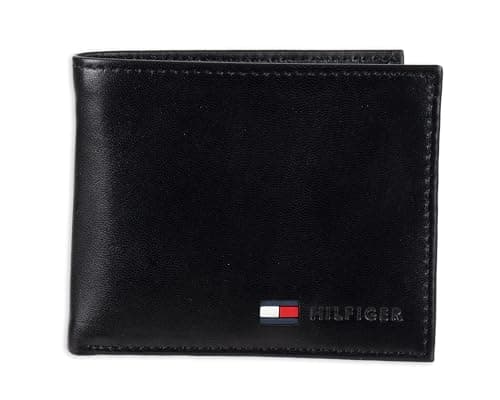
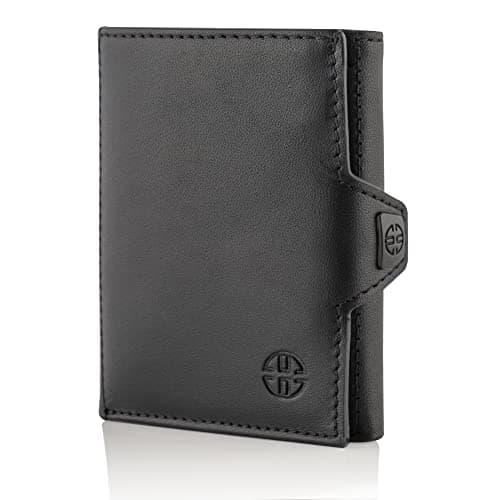
Our best overall is the TRUSADOR Veronain its coin-pocket configuration — the only pick that states full-grain leather and still measures a listed 0.6in closed, so the coin pocket does not cost you the front pocket. The Fossil Derrick coin-pocket bifold has the best pocket on the page, a gusseted pouch that actually expands, and the worst leather grade for the money. The POKOFO PW-522 is the value pick and gives you a snap pocket and a zipped one in the same wallet. The MORUCHA M75 is the mid-price snap-closure option in top-grain hide, the A|G Wallets 1225 is the maximum-capacity brick for people who carry everything, and the Tommy Hilfiger slim bifold is the budget, brand-name gift. Full reasoning, specs and honest cons on all six below.
The three coin pockets, and which one you want
Sellers use one phrase for three different pieces of construction. Knowing which is which is most of the buying decision, and it is the reason the spec table above is worth reading before the prices.
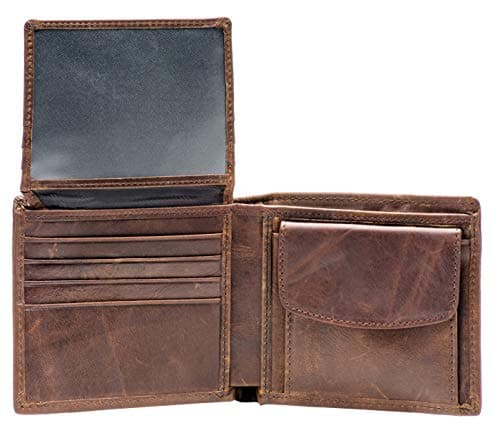
The gusseted pouch. A pocket with an expanding side panel, usually closed by a snap flap, built into the outside of the fold or into the spine. Because the sides open out, it holds two or three times what a flat pocket does and it does not deform the rest of the wallet when it is full. It is the format bank tellers and market traders have carried for a century, and on this page only the Fossil publishes it in those words. The price is thickness: a gusset is extra layers of leather, which is why that wallet lists at 0.75in empty.
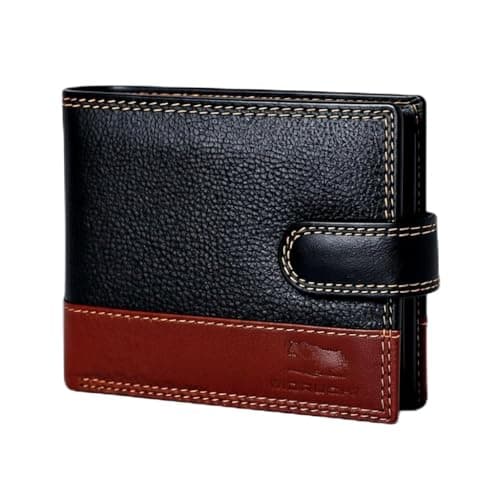
The snap pocket.A flat pocket with a popper. It is quick — one thumb and it is open, which matters at a till with a queue behind you — and it adds almost no bulk when empty. It also has one genuine failure mode: a popper under load pops. Fill a snap pocket with a dozen coins, sit down, and the pressure that opens it is the same pressure that empties it into your bag. The MORUCHA and the POKOFO both publish snap coin pockets and both are honest choices if you carry a light float of change.
The zipped compartment.Nothing gets out, full stop. This is the right answer for travel, for anyone who genuinely accumulates coins, and for a wallet that lives loose in a bag. The costs are speed (two hands, always) and the zip itself, which is the component most likely to fail on any wallet that has one — the same point our zip-around wallet roundup makes at length. The TRUSADOR and the A|G both use a zip; the A|G sinks it into the billfold, which is a space-saving trick with a real cost we get to below.
Where the pocket sits changes the wallet
Position matters as much as closure. A coin pocket on the outsideof the fold — a snap flap on the back or the spine — keeps change completely separate from cards and cash, and it is the fastest to reach because you never open the wallet. A pocket on the inside, behind the card slots, keeps the wallet looking clean but means opening it in public with your cards on show.
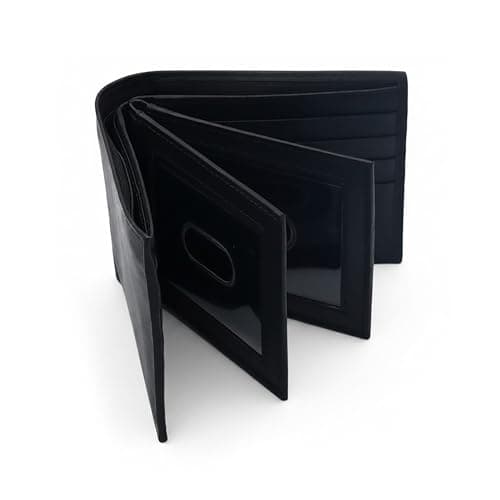
Then there is the arrangement the A|G uses, and it deserves a paragraph of its own because a lot of budget wallets do it: the zip pocket is built into the bill compartment. That is genuinely clever — it uses space that was empty anyway and adds no external bulk. What it does in practice is put a lumpy zip pocket directly behind your banknotes, so the cash creases around whatever is in there and both things fight for the same slot. If you carry more cash than change, avoid that layout; if you carry more change than cash, it is fine and saves you a quarter inch of wallet.
What a coin pocket costs you in thickness
This is the number to fix in your head before you shop. Every wallet on this page publishes its closed dimensions, and the spread is wider than the prices: the TRUSADOR lists at 0.6in closed, the POKOFO at 0.65in, the Fossil at 0.75in, the MORUCHA at about 0.8in, and the A|G Wallets listing states outright that it expands to 1.5in when filled. That is not a rounding difference. A 0.6in wallet is a front-pocket wallet; a 1.5in wallet is a back-pocket wallet you will eventually stop carrying.
Coins make it worse, because unlike cards they do not stack flat. Twenty coins in a flat pocket is a bulge; twenty coins in a gusseted pouch is a controlled lump. A wallet that is comfortable empty can be genuinely unpleasant loaded, and it is also the fastest way to stretch the leather out of shape, which our guide on whether leather wallets stretch covers properly. The honest advice is to buy for the change you carry on a normal Tuesday, not for the worst day you can imagine.
Leather grade in a category that undersells it
Coin-pocket wallets are bought as practical objects, and the listings reflect that — the copy is all compartment counts, and the hide gets a single word if it gets one at all. That is why the spec table above shows four different phrasings for what is nominally the same material.
The TRUSADOR states full grain, which is the grade worth paying for because it keeps the outer layer of the hide and therefore darkens and softens instead of wearing through. The MORUCHA says top grainin one sentence and gives it a “full-grain finish” in the next, which are two different things; we have printed the lower claim. The POKOFO title says genuine leather while its own bullets say full grain cowhide— a straight contradiction inside one listing, and we have flagged it rather than picking the flattering half. The Fossil and the Tommy Hilfiger both say genuine leather, and in the leather trade genuine is a specific and fairly low rung, not a synonym for real. The A|G says only cow leather and names no grade at all. Our grade ladder explains what actually separates them.
This matters more than usual on a coin wallet, because change is abrasive and heavy and it works on the leather from the inside. Run the cost-to-own math and a full-grain wallet that survives eight years beats a genuine-leather one replaced every two, even before you count the afternoon spent moving cards over. The counter-argument holds too: if you are not sure you will use a coin pocket at all, the cheapest pick here is a legitimate way to find out, and that is exactly the job the POKOFO is doing on this list.
Do you actually need one?
A fair question, and for a lot of readers the answer is no. If you tap for everything and see coins twice a month, a coin pocket is a permanent thickness penalty for an occasional convenience, and you are better served by a front-pocket wallet and a jar by the door. The people who genuinely benefit are the ones who handle cash daily, travel somewhere coin-heavy, park in meters, tip in cash, or simply hate the sound of loose change in a trouser pocket.
There is a middle path worth naming. Several wallets here have a coin pocket that doubles as a general-purpose secure pocket — the A|G listing suggests a key or folded bills, and that is exactly right. A zipped or snapped pocket is the only place in a wallet where a spare key, a SIM tray, a locker token or an emergency twenty will stay put. If that is the use you have in mind rather than change, buy for closure security and ignore capacity entirely, and our guide to organizing your wallet is the better read.
What we left off, and why
Three groups did not make the list. Standalone coin purseswere excluded by the inclusion rule at the top of this page even though several are cheap, well made and arguably the smarter buy — if you already own a wallet you like, adding a pouch beats replacing it, and we would rather say so than sell you a wallet you do not need. Wallets whose listing never states a coin pocket were cut even where product photos appeared to show one; a photograph is not a spec, and we do not publish claims a seller has not made. That removed several otherwise strong bifolds.
Near-identical marketplace clones were collapsed to one entry each. The vintage-brown RFID bifold with eight slots and a snap coin pocket is sold by a dozen sellers with the same tooling and different logos; listing six of them would be padding rather than a ranking.
Two honest omissions. There is no full zip-aroundon this page, even though a zip-around is the most secure way to carry coins there is, because at that point the coin pocket is not the feature — the closure is, and that roundup already ranks them properly. And there is no women's wallethere despite coin pockets being far more standard on that side of the category; the picks above are drawn from men's listings, and our women's leather wallet roundup covers the other shelf, where a coin compartment is close to universal.