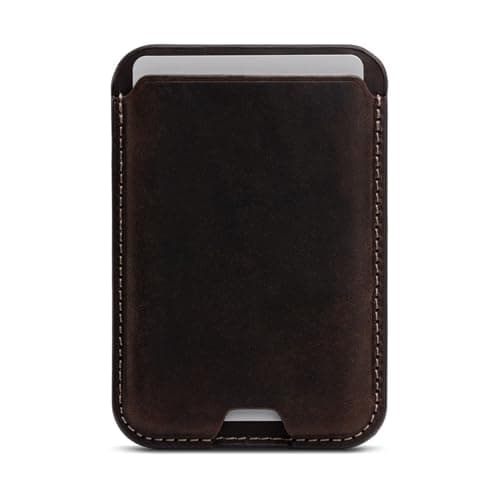
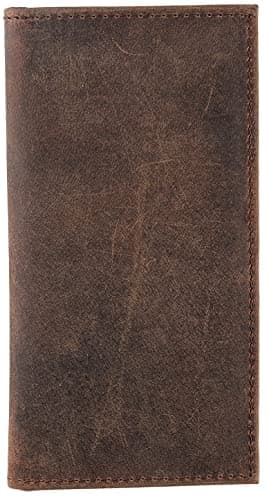
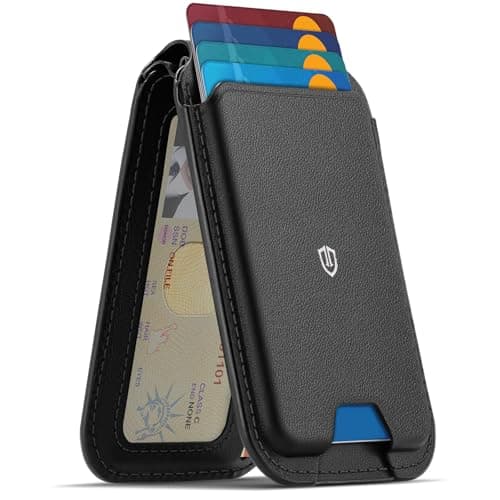
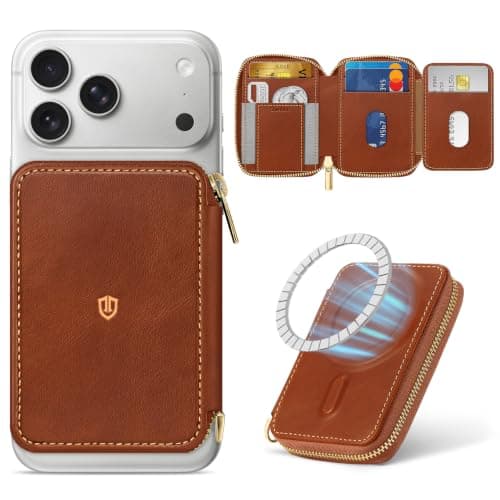
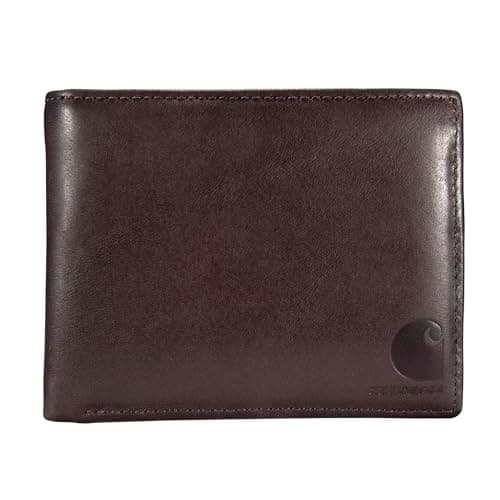
The short version: buy the Carhartt oil-tan leather bifold. It is the wallet this category is named after in search — the oil-tan query returns Carhartt more than any other brand — and it is the only pick here that puts the tannage in a conventional, back-pocket, passcase-bifold body built by a workwear company. It is for someone who wants the hide to darken and scuff on a job rather than be protected from one. The budget pick is the SHIELDON 6-card MagSafe wallet stand, the cheapest oil-waxed hide in the catalog and the only one that also props a phone up.
Oil tanning is a chemistry, not a look. The hide is stuffed with oils and waxes while it is being tanned, so the lubricant sits inside the fibre rather than on the surface. That is a different claim from a finish like crazy horse (wax rubbed and buffed into the outside), from a grade like full grain (which layer of the hide you got), and from vegetable tanning (a different tanning agent entirely). A wallet can be all four at once, and two picks here are. Our oil-tanned leather explainer has covered the chemistry since launch; this is the page that ranks what to buy.
What the oil actually buys you
Three things, and they are the reason the tannage exists. The hide stays supple in cold and wet, because the oil keeps the fibres from locking together. It takes water far better than a dry-finished hide, which matters for a wallet that rides in a back pocket through weather. And it self-heals cosmetically: a scratch pushes the oil aside and goes pale, then darkens back as the oil migrates, so a thumb rub removes most marks. The cost is that an oiled hide darkens unevenly and permanently with handling, and it will transfer a little oil to a light-coloured pocket lining in its first months.
The finding: in this catalog, oil-tanned hide has migrated to phones
We expected this shelf to be bifolds. Three of the five picks are phone-back wallets, and that is not an accident of our catalog — it is what the tannage is good at. A MagSafe sleeve has to be thin enough not to double the depth of a phone, grippy enough not to slide out of a jacket pocket, and tough enough to be peeled off a magnet twice a day. An oil-stuffed hide is thin, grippy and supple at the same time, which is a combination a dry chrome-tanned split cannot do. So the makers who care about material in that aisle keep arriving at the same chemistry.
Being straight about the consequence: those three picks also appear on our MagSafe walletsroundup, which ranks the same objects on a completely different test — magnet grade, card count, whether it works as a wallet off the phone. If you are shopping for a phone wallet, read that page instead; this one ranks the hide, across formats, and it will send you to a bifold if the bifold has the better claim. Which, at the top of this page, it does.
How we ranked: the grade behind the oil
“Oil-tanned” says nothing about which layer of the hide you were sold, so the ranking turns on what each listing adds. One pick states full-grain oil-waxed. Two state top-grainoil-waxed cowhide. One states a top-layer cowhide oil-tanned to a crazy-horse finish. The Carhartt states the tannage and a brand with a century of hard-use leather behind it, and leaves the grade out — which would normally cost it places, and does not here only because the format is the one the search is actually asking for and the tannage claim is unambiguous. We have put that reasoning in writing rather than quietly ranking on a number.
Advice that earns us nothing
Do not condition a new oil-tanned wallet. It already contains more oil than anything you would put on it, and adding more darkens it blotchily and softens the structure of a thin wallet panel. Give it a year, then a very light coat of a neutral conditioner only if it starts to feel dry at the fold. The same logic applies to crazy horse; our leather conditioners page says which products are appropriate and, more usefully, when to leave a wallet alone.
Buying notes
Expect the delivered colour to be darker than the photograph
Oiled hide photographs light and arrives deeper, and it continues to deepen for the first several months of handling. If an exact shade matters to you — matching a bag, a belt, a gift — this is the wrong tannage to order unseen. A finished, pigmented surface such as the ones on our pebbled leather wallets page is far more predictable.
Oil transfer is real and temporary
A new oil-tanned wallet can leave a faint mark on pale fabric for the first few weeks. It stops. If that is unacceptable — a cream jacket lining, a light handbag — buy the tannage in a format that lives in a bag pocket rather than against cloth, or buy a different hide.
Oil-tanned, crazy horse and pull-up are overlapping words
Crazy horse is an oiled and heavily waxed surface on top of a tannage; pull-up describes the effect, where the colour lightens along a flex. One pick here uses both vocabularies in one phrase. None of these words is a grade, and only one of them is a tannage. Our crazy horse leather wallets page ranks the finish version of this choice, and our best brown leather walletspage ranks the color version — oil-tan against crazy horse, veg-tan and pigment, judged on how far each one moves, because the shade name on a listing means nothing and the finish means everything.
Advice that earns us nothing
If you already own a leather wallet that has gone dry and pale, an oil-tanned replacement is not the fix — a ten-dollar tin of conditioner is, and it will buy you another two years on the wallet you have. Buy from this page because you want a hide that shrugs off weather and marks, not because the one in your pocket looks tired.