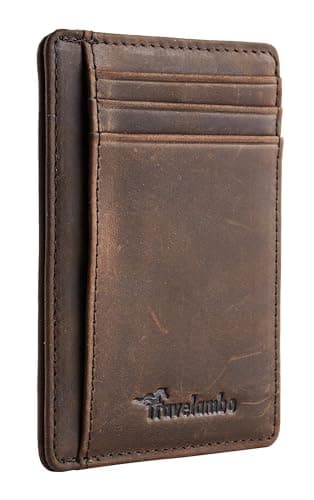
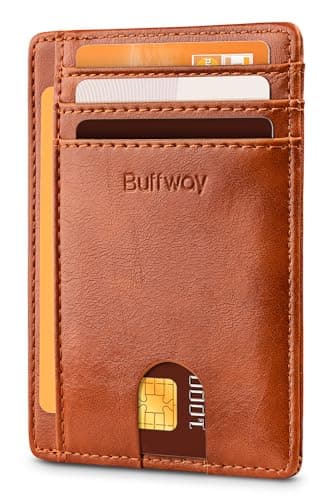
The short version: “vegan leather” is a marketing name for artificial leather, and artificial leather is a base material “coated with several layers of plastic e.g. PVC or polyurethane”. When the plastic is polyurethane the trade calls it PU leather. The same material also travels under leatherette, imitation leather, faux leather and pleather— five words and one thing. So the first useful fact is this: vegan leather is not a rung on the grade ladder, not a tannage, and not a finish. It is a different material that is named after the one it replaces.
Why the name is doing so much work
Notice what the word “vegan” describes: the absence of an animal input. That is a genuine fact about the product, and for a reader who will not buy animal products it is the only fact that matters. What the word does not describe is what the material is, how it was made, or how it behaves — and in a category where every other material word on the label (full-grain, vegetable-tanned, Horween) tells you something about construction, a word that tells you only what is absent is doing unusual work.
This is the same problem we described on Italian leather and pebbled leather: a true adjective that shoppers read as a quality claim. The difference is that pebbled and Italian are at least describing leather. Vegan leather is describing something else entirely, and it frequently sits on a shelf at the same price as a real hide.
What it is actually made of
Three families turn up under the term, and they are not equivalent:
- PVC-coated. The older and cheaper route. The reference notes that PVC versions “are not easily cleaned”, which is a practical consideration on an object you handle every day.
- Polyurethane-coated (PU). The common one now, and the one you will meet on a wallet listing. Artificial leather made from polyurethane “is washable”.
- Plant-based. The genuinely interesting corner. Piñatex is “Made from pineapple leaves”, and vegan leather materials “can be derived from fungi, yeasts and bacterial strains” — mycelium being the mushroom-based version. These are real materials and a real line of development, and the reference adds the caveat that matters: “the inclusion of artificial materials in the production of artificial leathers notably raises sustainability issues.”
Four claims we are not going to make
This is the honest core of the page, and it is shorter than the internet's version of it because we checked our source and it does not support the usual assertions.
- That it peels rather than patinas. You will read this everywhere, including in one product entry on this site. What our reference actually supports is narrower: “the surface of some artificial leathers may rub and wear off with time.”Surface rub-off is documented. “It peels” as a general law of the material is not, and we are not going to publish it as one.
- That it lasts less time than leather. The reference makes no durability comparison with real leather. What it does say cuts the other way: artificial leather “requires little maintenance in comparison to leather, and does not crack or fade easily.” A leather site quoting that is a leather site telling you something against its own interest, which is exactly why it is here.
- That the plant-based ones are plastic-free. Our source does not state whether the pineapple, mushroom or bacterial materials contain polyurethane. Many sellers imply they do not. We do not know, so we are not saying.
- That there is a labelling rule.People often assume a regulation governs when the word “leather” may be used. Our reference contains no such statement, so we have not asserted one in either direction.
What this means on a wallet specifically
Two things, and they point in opposite directions, which is why this is a judgment and not a verdict.
Against it:a wallet is the one leather object whose whole appeal is that it changes. Patina — the darkening and softening covered on our patina page— is a property of the intact grain layer of an animal hide. A coated fabric does not have a grain layer, so it does not do that. If you want the object you carry to look like it has been carried, this material cannot deliver it, and no amount of conditioner will change that: conditioner feeds a hide, and there is no hide to feed.
For it: if you will not buy an animal product, this is the category, and the honest answer is that we do not have a better recommendation to give you. We rank two synthetic wallets and both are labelled as such on their pages. We are not going to pretend a real hide is the ethical equal of a synthetic for a reader whose reason for asking is ethical.
How to tell which one you are holding
Before it arrives, read the material line and treat the absence of a grade as information: a listing that says “vegan leather,” “PU leather” or “premium synthetic leather” has told you it is not a hide. The word “genuine,” for all that it is the bottom rung, at least means leather.
After it arrives, there are physical tests — edge, pore pattern, smell, water behavior — and we have written those up separately at how to spot fake leather. Worth knowing: one of the most common cheap materials is bonded leather, which is a thirdthing again — real leather fiber shredded and re-bonded with adhesive onto a backing. It is not vegan, and it is not a hide either.