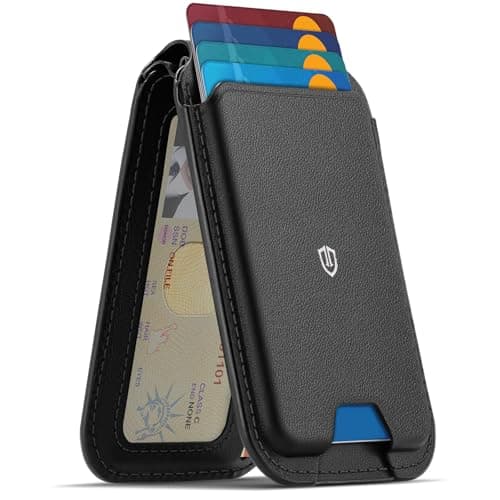
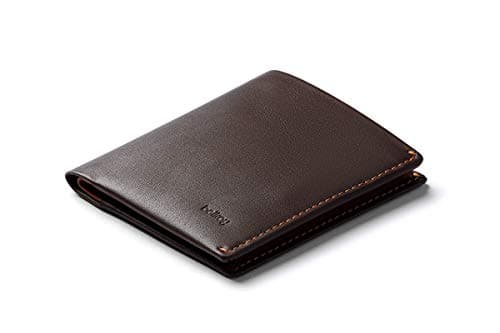
The short version: the Bellroy Note Sleeveis the pick — it is the best wallet in our whole catalog, and its leather is environmentally certified top grain rather than full grain, which is a design decision and not a compromise. The budget pick is the SHIELDON 6-Card MagSafe Wallet Stand at under $30, the cheapest wallet in our registry that states top grain. And the argument this page exists to make: top grain is not “full grain minus something”. It is the grade you want when the object has to bend, stay flat and stay thin — which is every wallet.
What the grade ladder actually ranks
The ladder sounds like a quality scale and is really a description of how much of the hide's outer surface survived. Full grain keeps the grain layer intact, including the scars, bites and wrinkles the animal collected. Top grain has had the very top of that surface sanded or buffed — which removes the blemishes, and with them some of the densest fibre in the hide.
Everything people believe about the two follows from that one difference, and most of it is true: full grain is tougher, stiffer, more water-resistant and patinas more dramatically. Top grain is more uniform, more supple, thinner at the same strength, and easier to work to a consistent standard.
Now notice which of those properties a wallet needs. A wallet is a thin object that folds hundreds of times a month and lives against a leg. Stiffness is a liability. Thickness is the enemy. Uniformity is what stops one panel stretching before its neighbour. And a wallet is not out in the weather, so the water resistance you paid extra for is doing nothing in your pocket. That is the whole case for the middle rung, and it is why three of our highest-scoring picks sit on it deliberately.
The measurement that made us write this page
We counted our own catalog. Of 106 ranked entries whose material cell records a leather claim, 70 name a rung on the grade ladder — 31 full grain, 14 top grain, 25 genuine — and 36 name a leather word with no rung behind it at all. That is a count of our catalog, not of the market, and the interesting part is its shape: the leastinformative claim is the most common one. Which means that when a listing says “top grain” rather than just “leather”, it is already in the more candid half of the aisle.
That is the inclusion rule for this page. The listing has to say top grain itself. A page about a grade cannot be filled with wallets whose grade nobody stated.
One exhibit in how this claim goes wrong
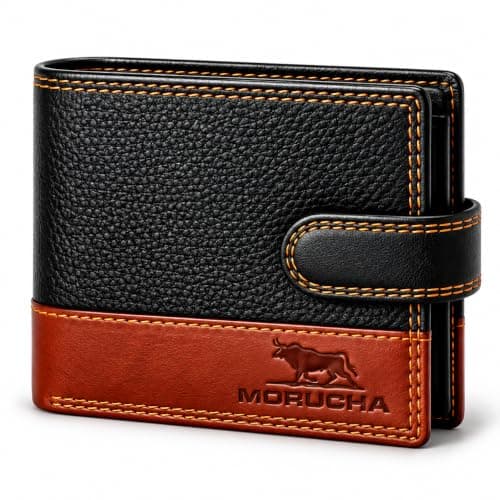
Fifth on this page is the MORUCHA M75, and it is here with an asterisk we have published rather than buried. Its listing calls the hide “100% natural cowhide top grain leather” in one sentence and gives it a “full-grain finish” in the next. Those are two different grades. We have published the lower one, and we have ranked the wallet below picks whose claims do not contradict themselves. That is what the rule costs a seller, and we would rather show you the cost than hide it.
The six, and who each is for
Bellroy Note Sleeve— for the reader who wants the best wallet rather than the best spec sheet. Environmentally certified top grain, up to eleven cards, a three-year warranty, and the slimmest cash-carrying bifold we rank at any price.
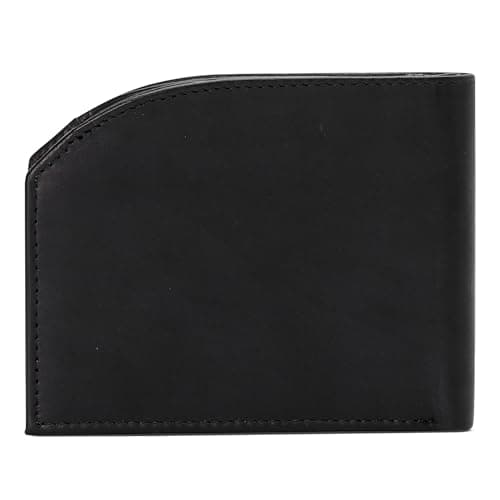
Rogue Wallet Slim Leather Front Pocket (RFID)— for a front pocket. Top-grain cowhide in Rogue's curved body, which is cut to the shape of a thigh rather than to a rectangle.
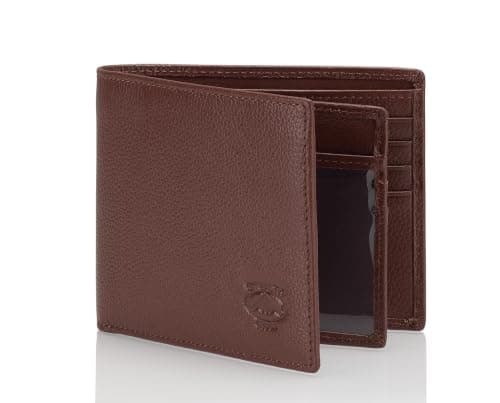
Stealth Mode Pebble Top-Grain Napa Bifold— for the biggest card load on the page. Twelve slots, a stated top-grain napa, and a pebbled grain that hides the wear a smooth hide would show.
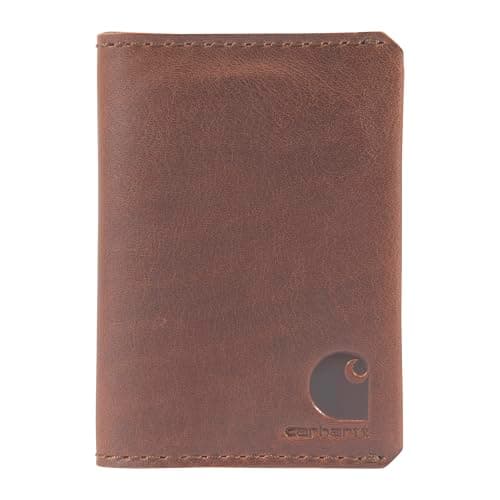
Carhartt Craftsman Leather Front Pocket Bifold— for the thinnest result. A vegetable-tanned top grain at a published 0.25 in closed, which is the only published thickness on this page and one of very few anywhere in our catalog.
MORUCHA M75 Bull Leather Bifold— for a snap coin pocket, if you accept the grade confusion above. Eight slots plus four pockets in top-grain bull hide.
SHIELDON 6-Card MagSafe Wallet Stand— the budget pick, and the cheapest stated top grain we rank. Oil-waxed, six cards, RFID and an ID window, on the back of a phone.
For the rung below this one — and for the reason the phrase is so often mistaken for a quality claim — see best genuine leather wallets, where the most expensive pick publishes the least about itself.
How to use the grade when you shop
Rank the claim before you rank the grade
A stated top grain beats an unstated anything. In our catalog, 36 of 106 leather claims name no rung whatsoever — and an unspecified “genuine leather” sits belowtop grain on the ladder rather than above it. The useful question is not “is this the top rung?” but “did the seller commit to a rung at all?”
Where full grain genuinely wins
Three cases, and we will name them against our own page. If you want the hide to look visibly different in five years, full grain patinas harder. If the wallet lives in a back pocket under your weight all day, the denser fibre lasts longer. And if you are buying a heritage object rather than a tool — a Horween Chromexcel bifold, say — the grade is part of what you are buying. Our full-grain roundup is the page for all three.
What the grade never tells you
Thickness, stitch density, edge finishing, lining, and whether the panels were cut from the same part of the hide. Those decide how a wallet ages far more than one rung on a ladder does, and almost no listing publishes any of them. It is why cost to own— price divided by the years you actually get — is a better buying frame than grade shopping.
Advice that earns us nothing
If you are choosing between a $95 top-grain wallet and a $35 full-grain one and the deciding factor is the grade word, buy the cheaper one and spend the difference on nothing. The grade is the least load-bearing spec in the decision, and anyone telling you otherwise is selling the rung.